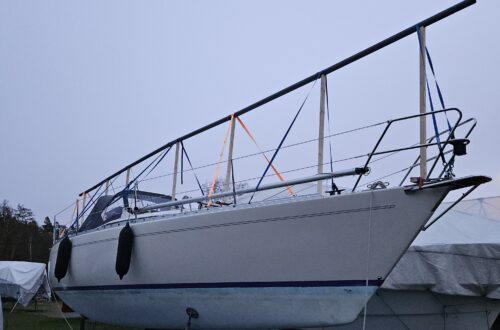
Air Only Ventilator installation
The old budget ventilation never really worked as intended. In heavy seas they let water straight through. By design, those vents are fine for inshore use — but offshore they’re simply useless. They can’t provide an airtight seal and keept water out when you need it. Air Only Ventilator does exactly what all vents should do. It seals automatically, and if conditions get really rough you can even close the vent manually to a complete seal.
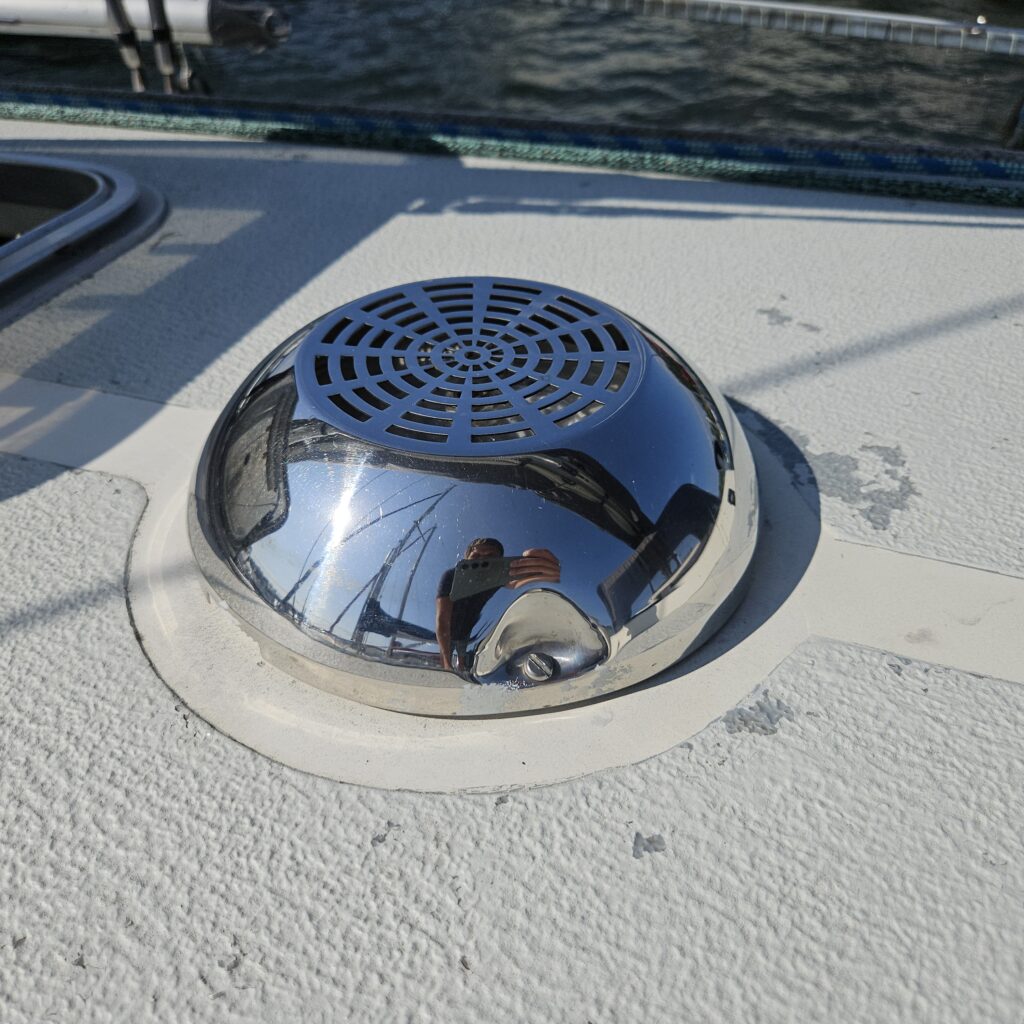
During this year’s Sandön Slingshot we faced 40 knots of wind and heavy seas, yet not a single drop made it through the Air Only vents. On past trips in similar conditions the old vents always failed, so the difference was striking.
I’m not an impulsive buyer. Whenever I add something to my boat, I do my research. When I saw that Hallberg-Rassy installs Air Only as standard, I finally decided to go for it.

From Ukraine with love
The system is designed and manufactured in Ukraine. Despite everything horrible happening there with Russia invading their country, my delivery arrived within a week — much faster than an order I placed the same day from Denmark.


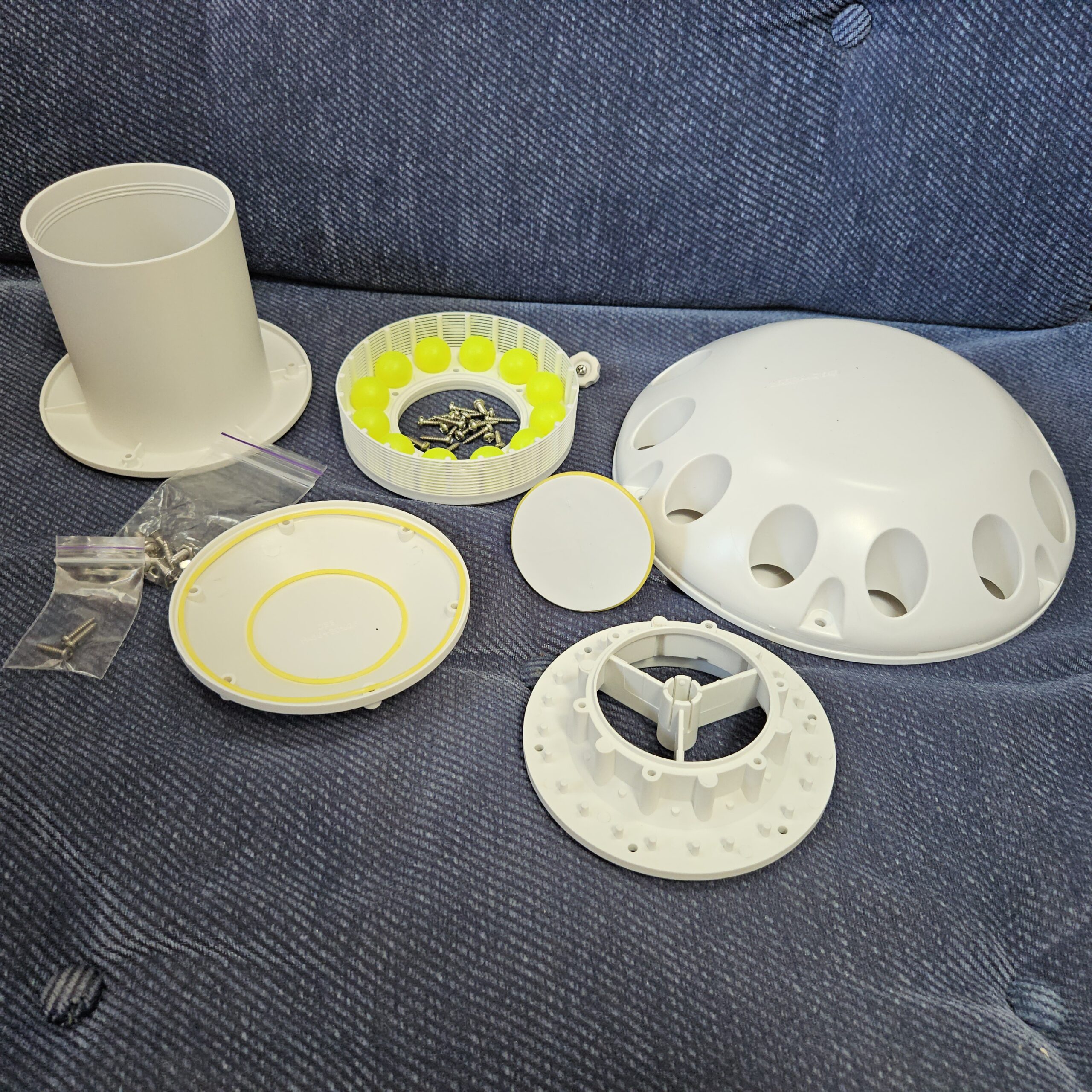
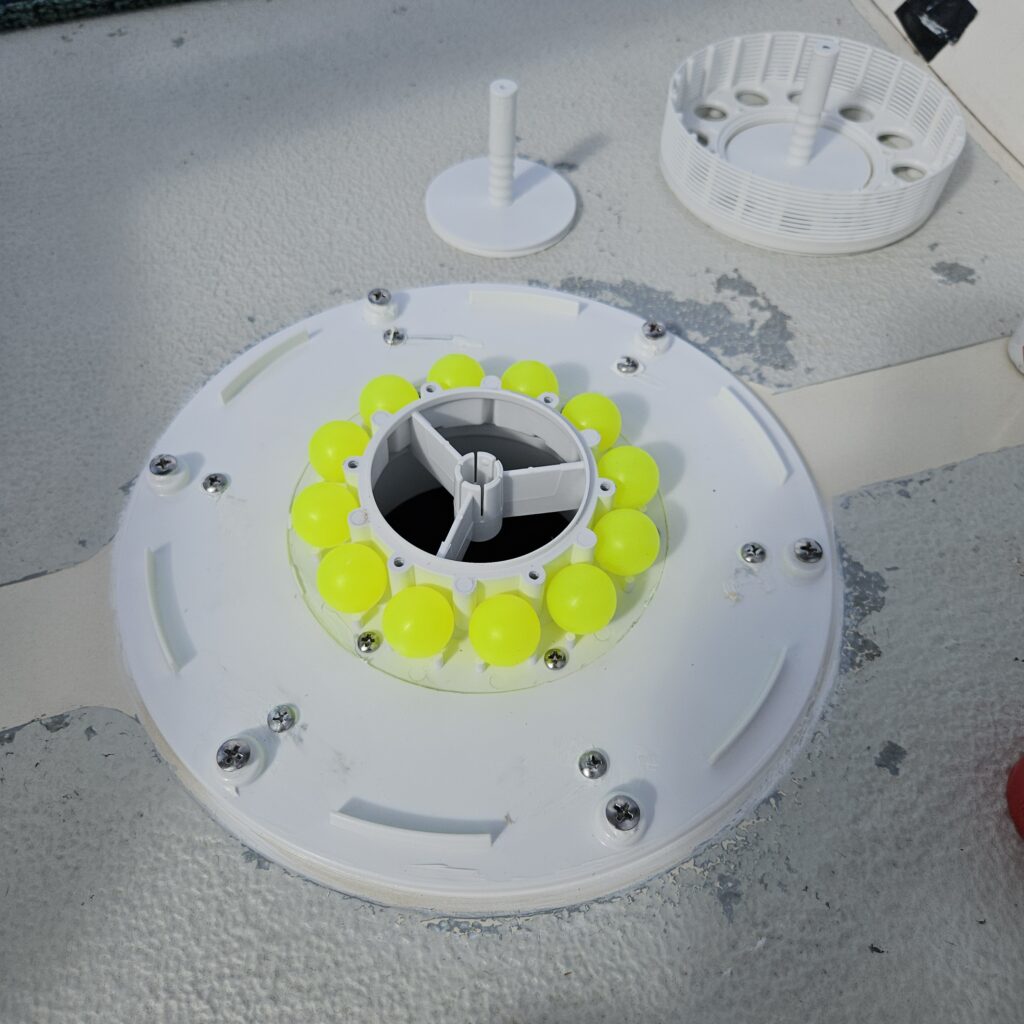
The principle is genius: if submerged, small balls float up and block water from entering the boat. And unlike many other vents, you can also shut it completely if needed.
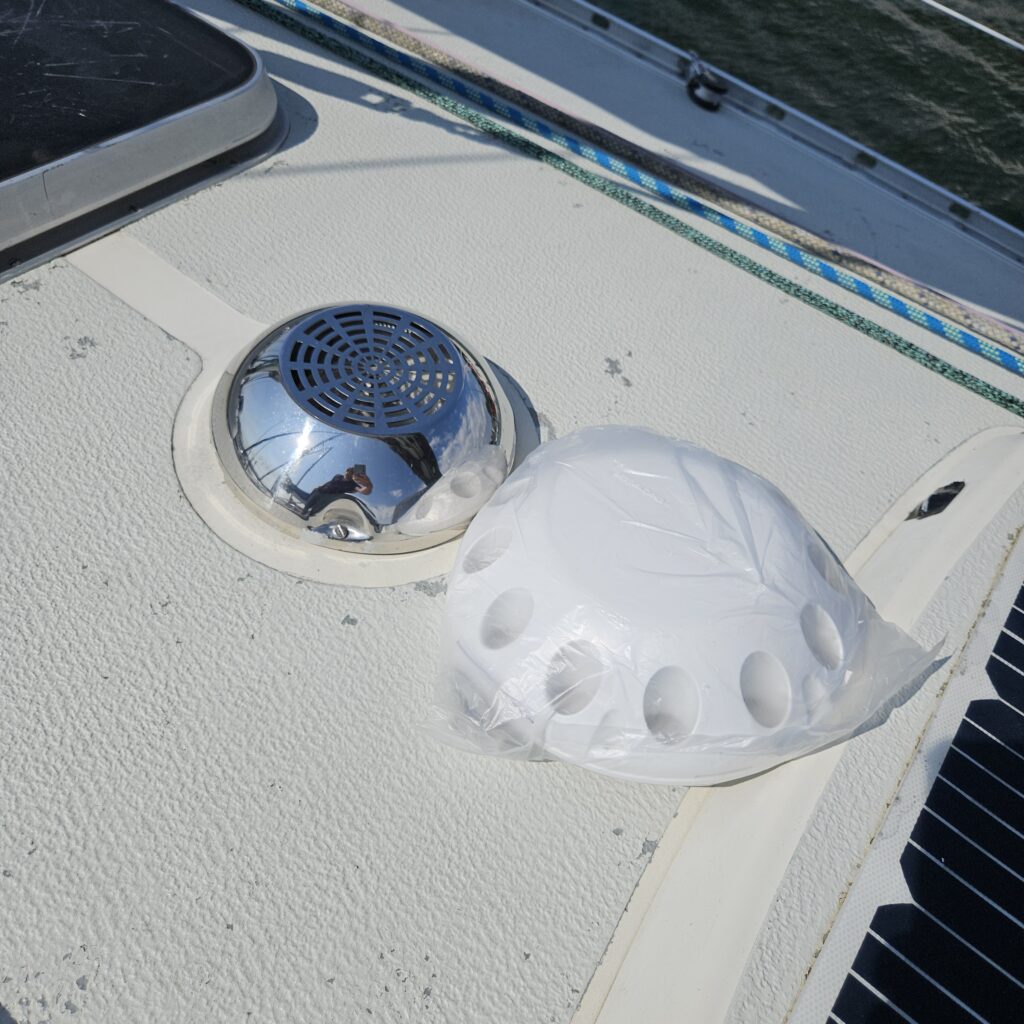
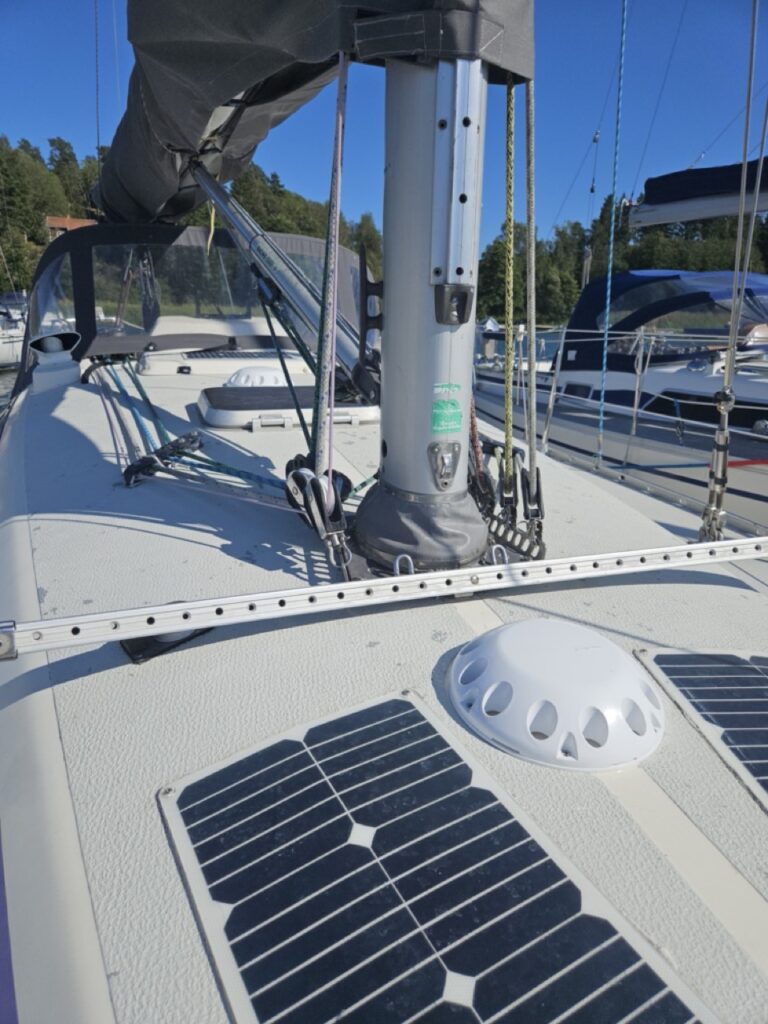
When they arrived, I was a bit shocked at the size. They looked huge, and I thought I might not even be able to fit them. Luckily, once dry-fitted, they turned out just right. The first step was to remove the old vents and seal the old screw holes with epoxy and gelcoat. When cleaning the surface and holes, I discovered the previous owner hadn’t sealed the screw holes properly, and water had seeped into the core material. Thankfully, the Maxi Mixer uses foam as spacer material, so I just had to carve out the wet part and replace it with new PU foam. I filled the holes with epoxy and gelcoat and wet-sanded for a smooth finish.
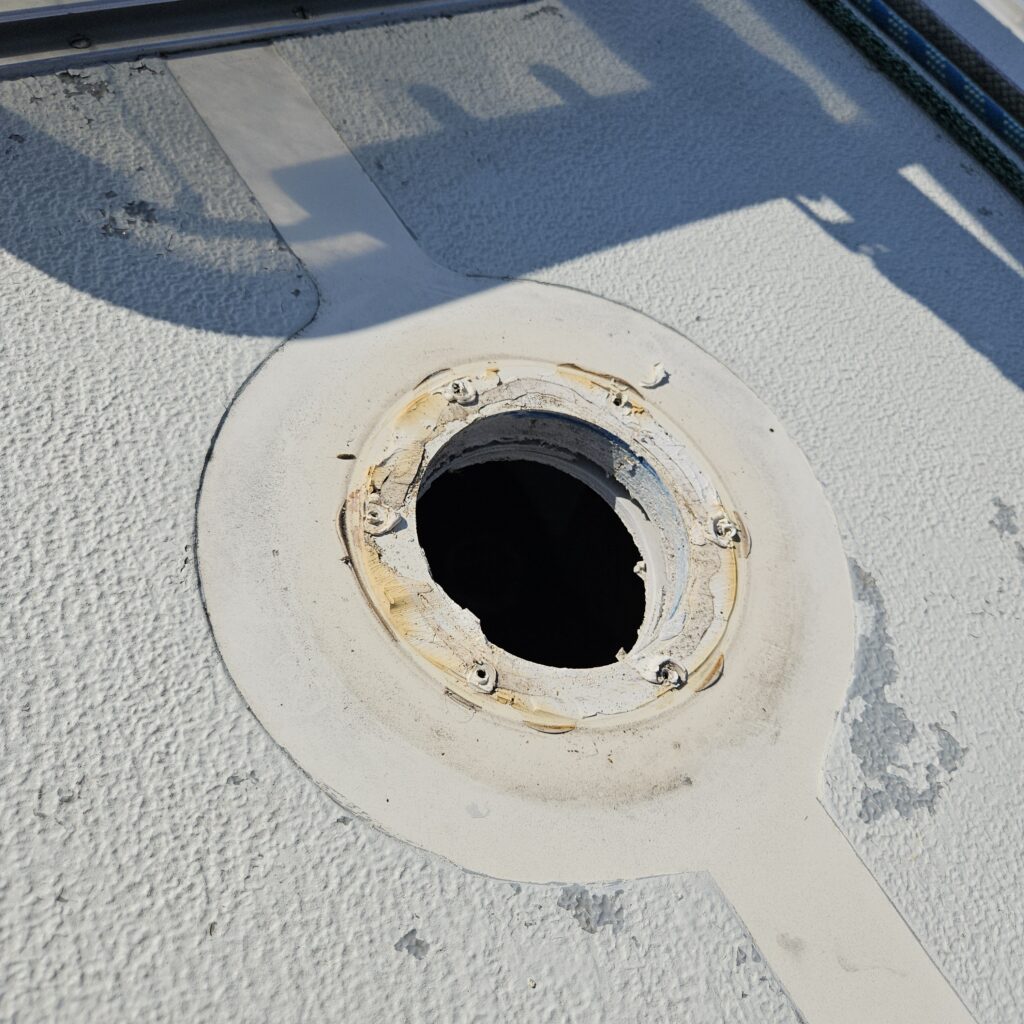
Installing the Air Only Ventilator
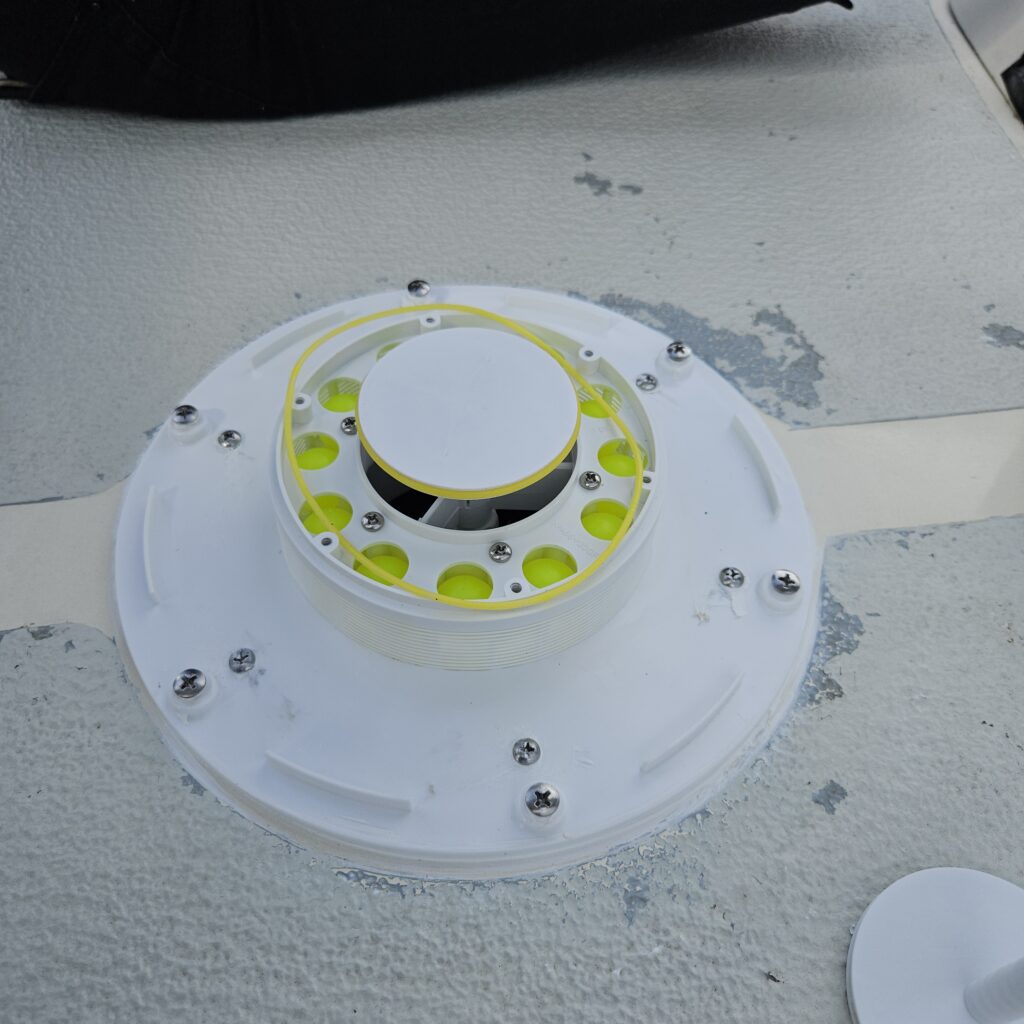
Next came fitting the new Air Only vents. I mounted the internal vent against the roof on the inside, then cut the outer part of the pipe flush with the deck (there’s plenty of extra length to suit different boats), pre-drilled the holes, and primed both the deck and the base plate with Sika Primer before applying Sikaflex. The other base ring had do be trimmed down to make a snug fit. From there, installation was straightforward — the only hassle was keeping some rubber seals in place during assembly. To make things trickier, it was windy, and the balls kept blowing away before I could secure them. Luckily Emelie and Filip were onboard to help.
Pro tip: do this job on a calm day!
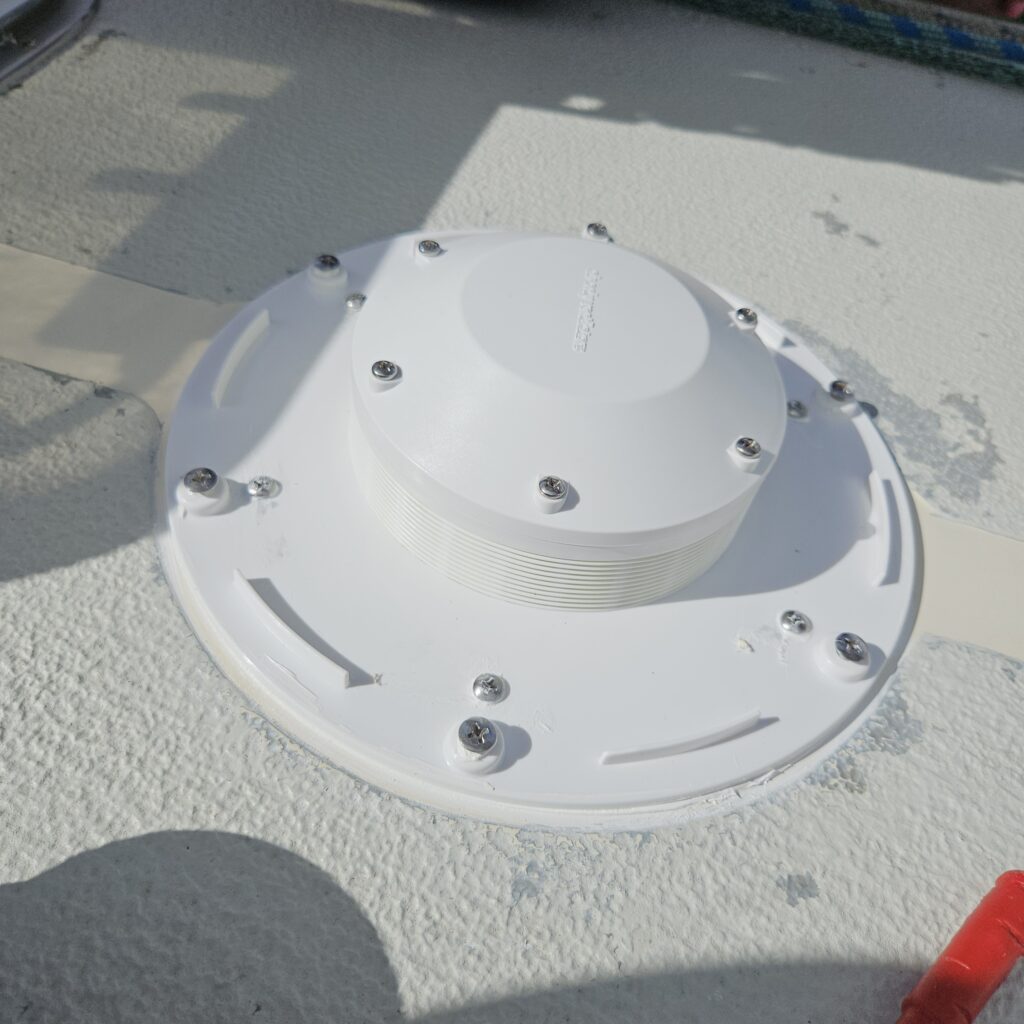
The new vents have transformed our boat. They look far better than the old metal ones, and the air quality onboard has improved significantly. This is one upgrade I can wholeheartedly recommend: Air Only.


You May Also Like
Cabin lighting with Red Light
Usb-C charging onboard with PD