
Fifång Island in Stockholm Archipelago
Shelter at Fifång
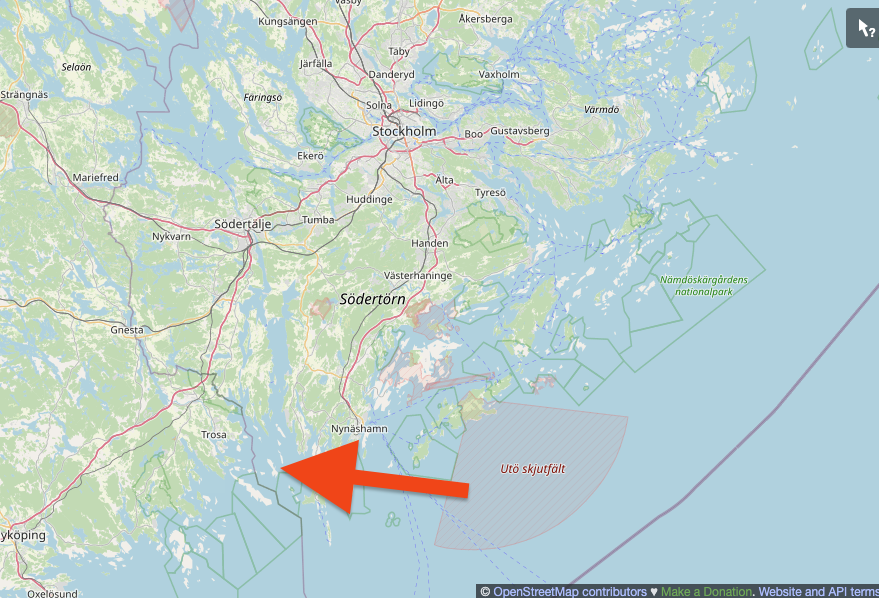
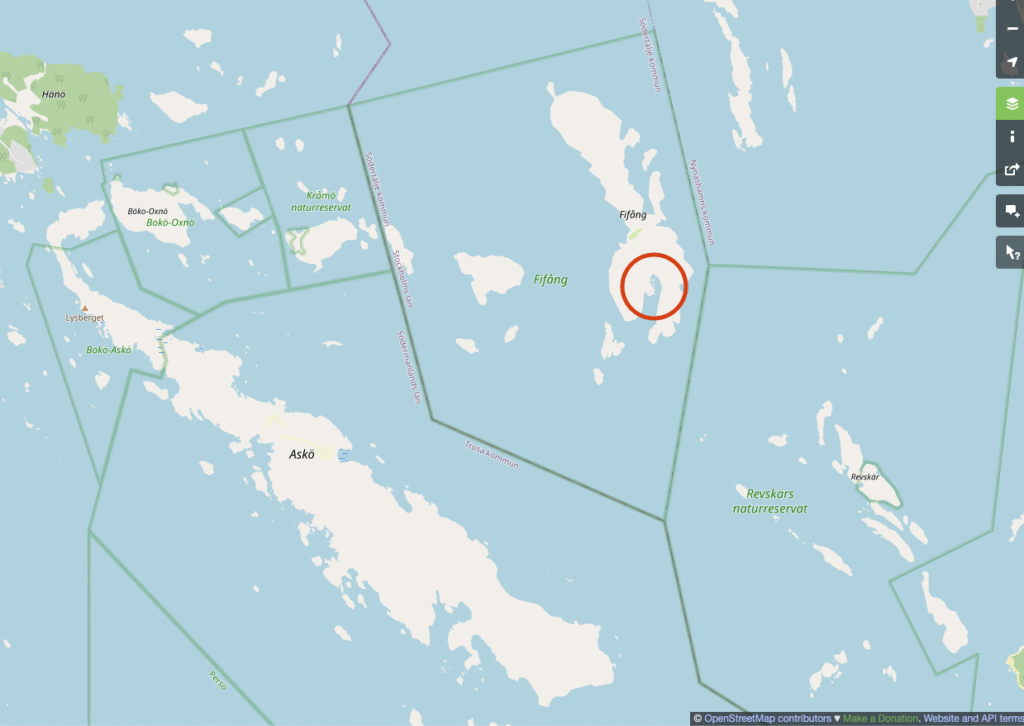
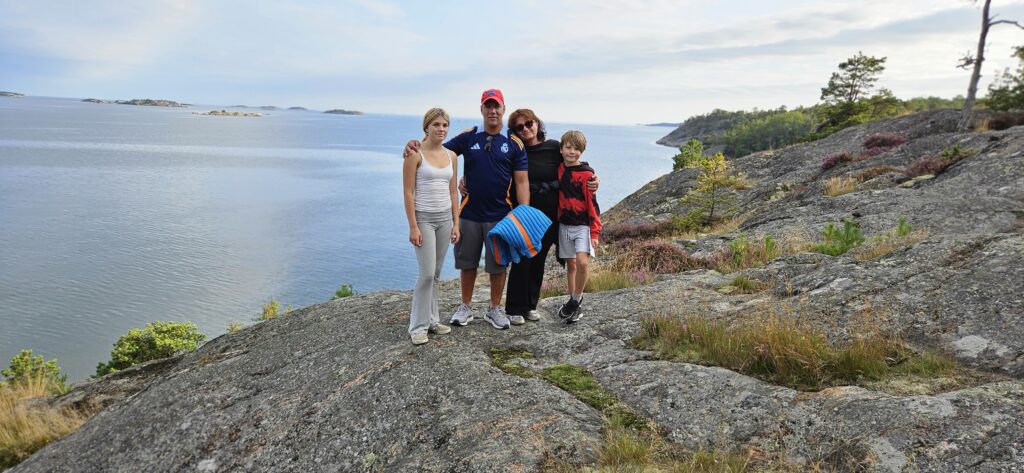
Independent of the wind direction, the two main shelters at Fifång in the Stockholm Archipelago are reliable places to take shelter. We visited the southern part of the island this weekend with the family for some late-summer exploration and the Fifång Nature Reserve didn’t disappoint.
Slow Sailing and Jellyfish
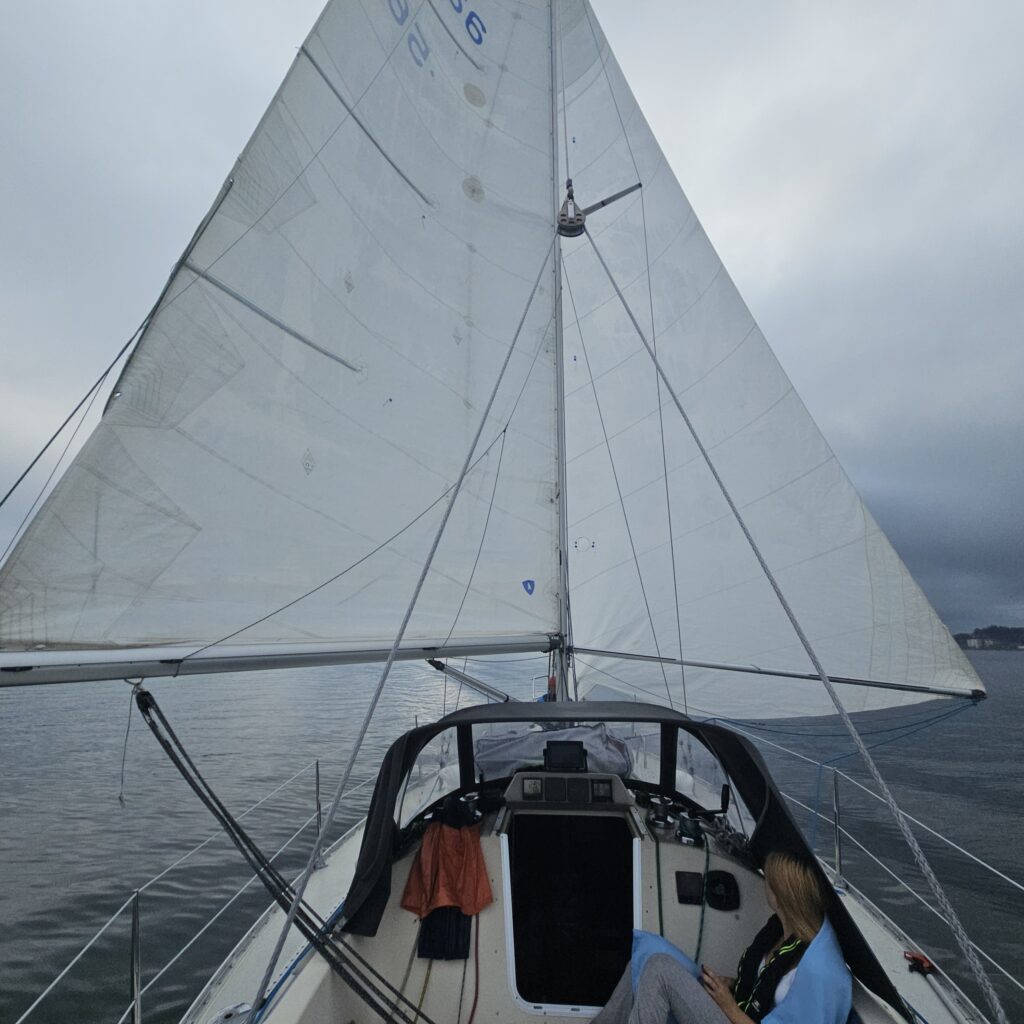
It was a rainy morning with very soft winds. After leaving the dock just before noon on Saturday, we set the sails for a wing-on-wing configuration for carefree downwind sailing. The spinnaker pole held out our Genoa 1, and a preventer was rigged on the boom. In varying winds, giving us between 0.7 and 4 knots, the autopilot was engaged while we enjoyed a canned ravioli lunch.
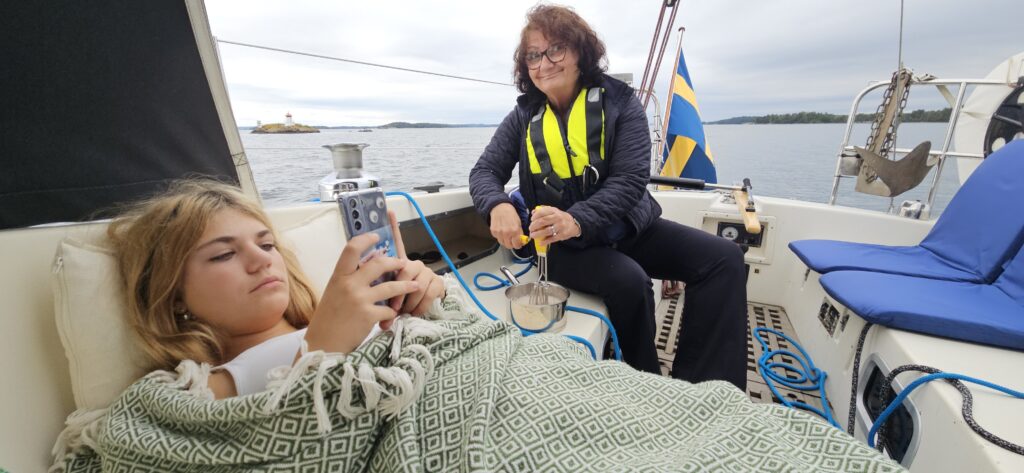
My mum and her boyfriend Simo joined me and the kids. At first, Simo was sceptical about the speed on the GPS, 0.7 knots is really slow. The amount of jellyfish this year is remarkable, and I spent some time on the swim platform watching them drift past as we glided slowly by one beautiful island after another. Hardly any waves gave the trip an early-fall atmosphere.
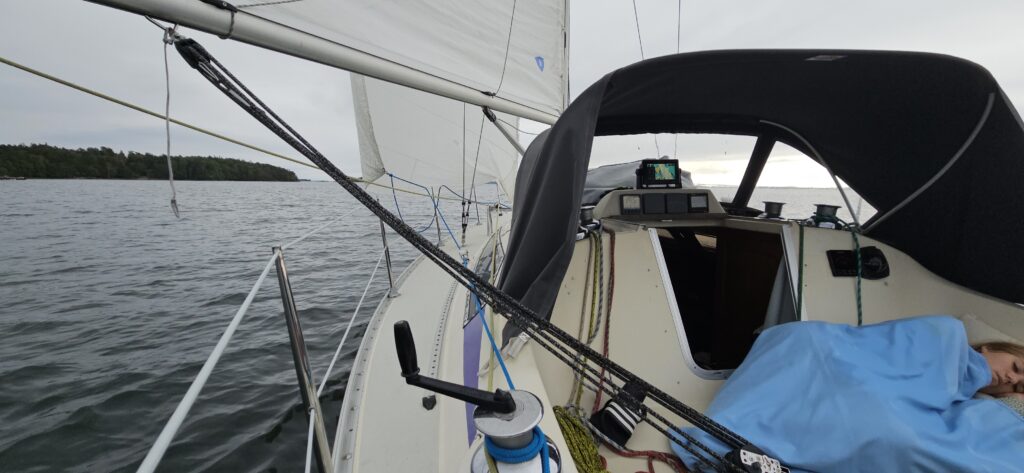
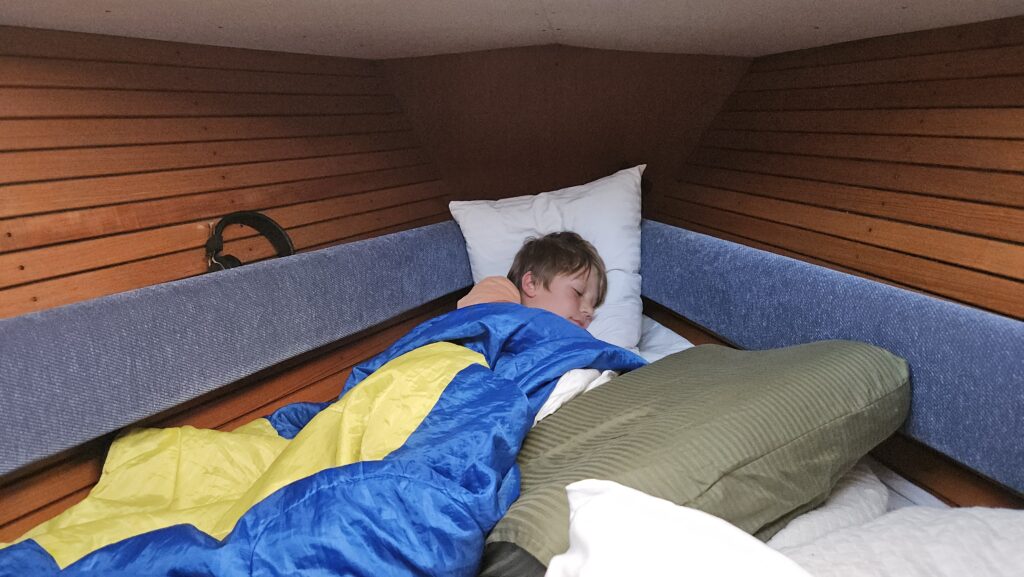
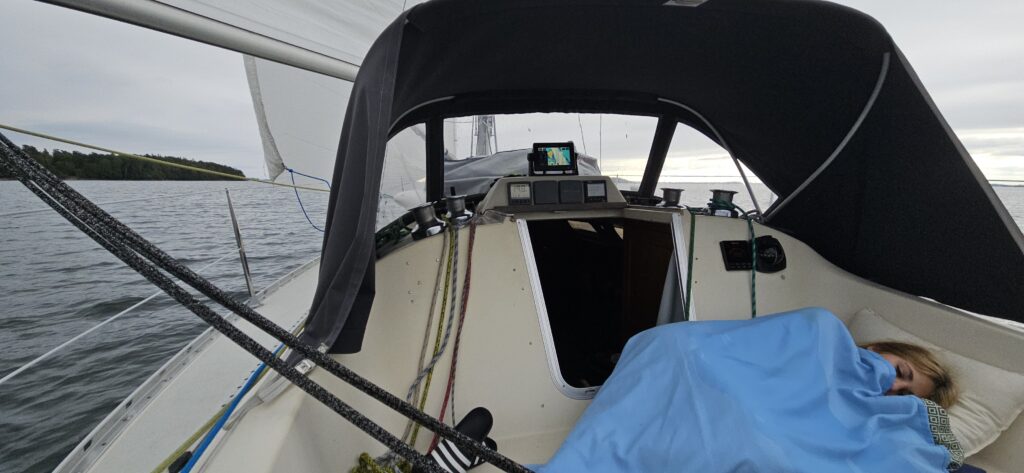
We passed the time chatting, occasionally adjusting the sails or the autopilot heading, and simply enjoying ourselves. A curious seal surfaced on our starboard side, puffing air to make its presence known. After the excitement settled, everyone napped. Felicia in the cockpit, Filip in his port aft bunk, and Simo in the forepeak listening to the gentle stream around the bow.
Fika at Sea
Just in time for the afternoon fika (Swedish for coffee and something sweet), a chocolate mud cake came out of the oven with chocolate whipped cream on the side. The sweet smell woke everyone, and we gathered for a delicious fika as nature floated by.
Arrival at Fifång
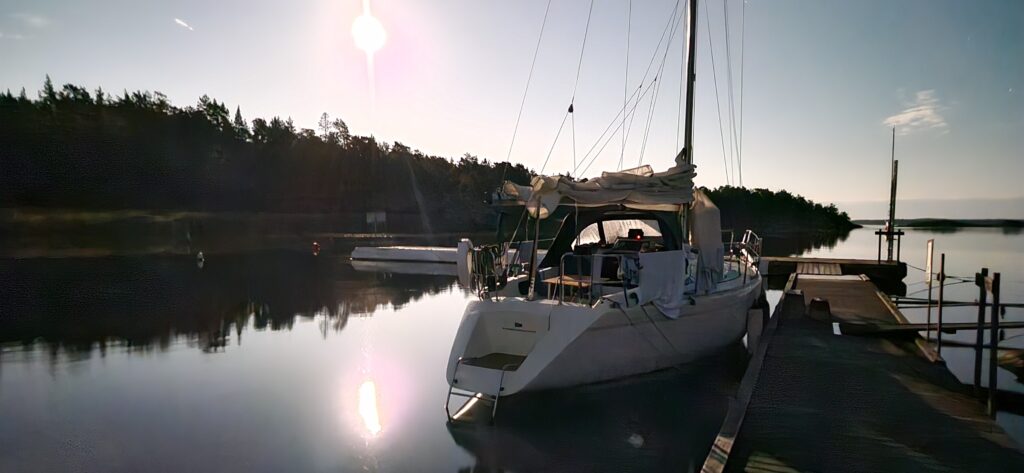
As we prepared for arrival, the sun broke through the clouds, greeting us at the welcoming entrance of Fifång Nature Reserve. We reviewed the maps and some aerial photos together. The kids took responsibility for the bow lines and fenders, while I prepped the stern anchor. As we entered, a mermaid sign welcomed us which was popular with the kids and a friendly reminder to me of the shallow rocks beneath.
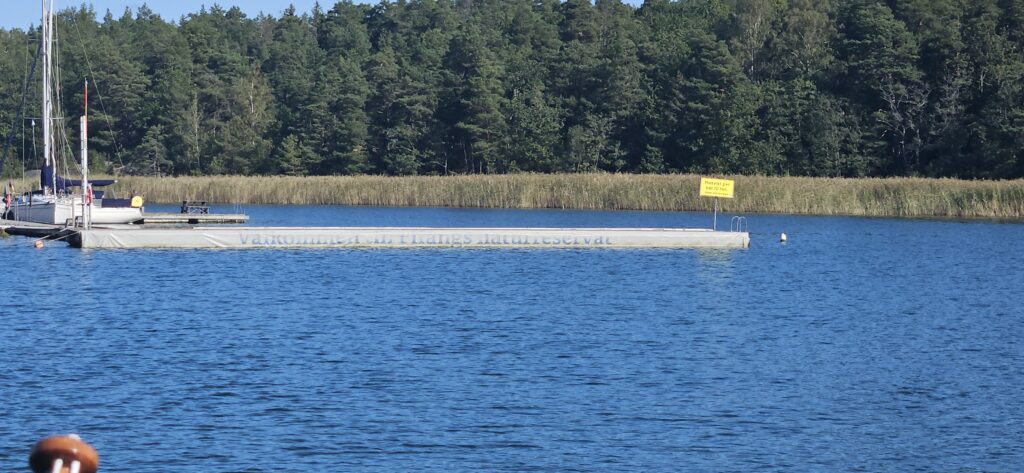
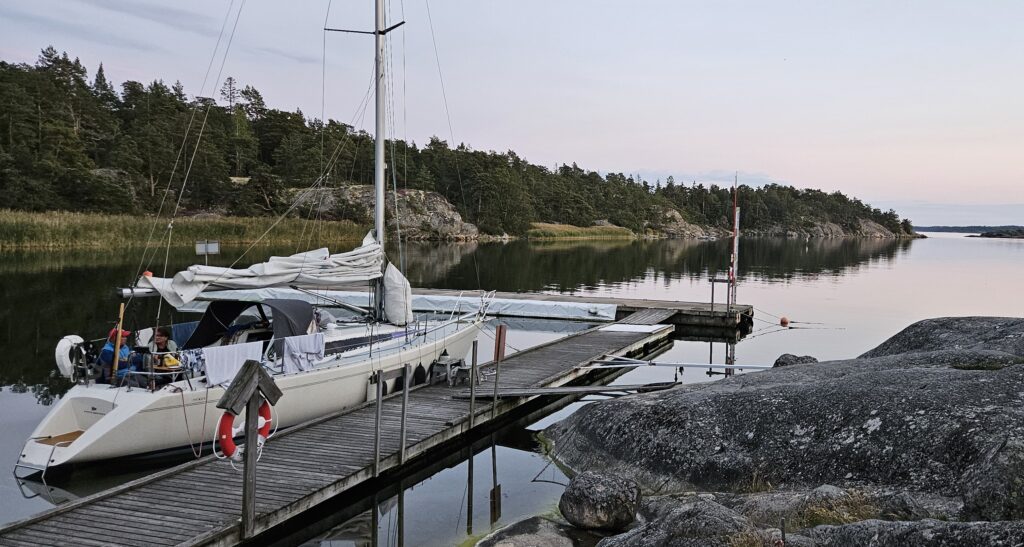
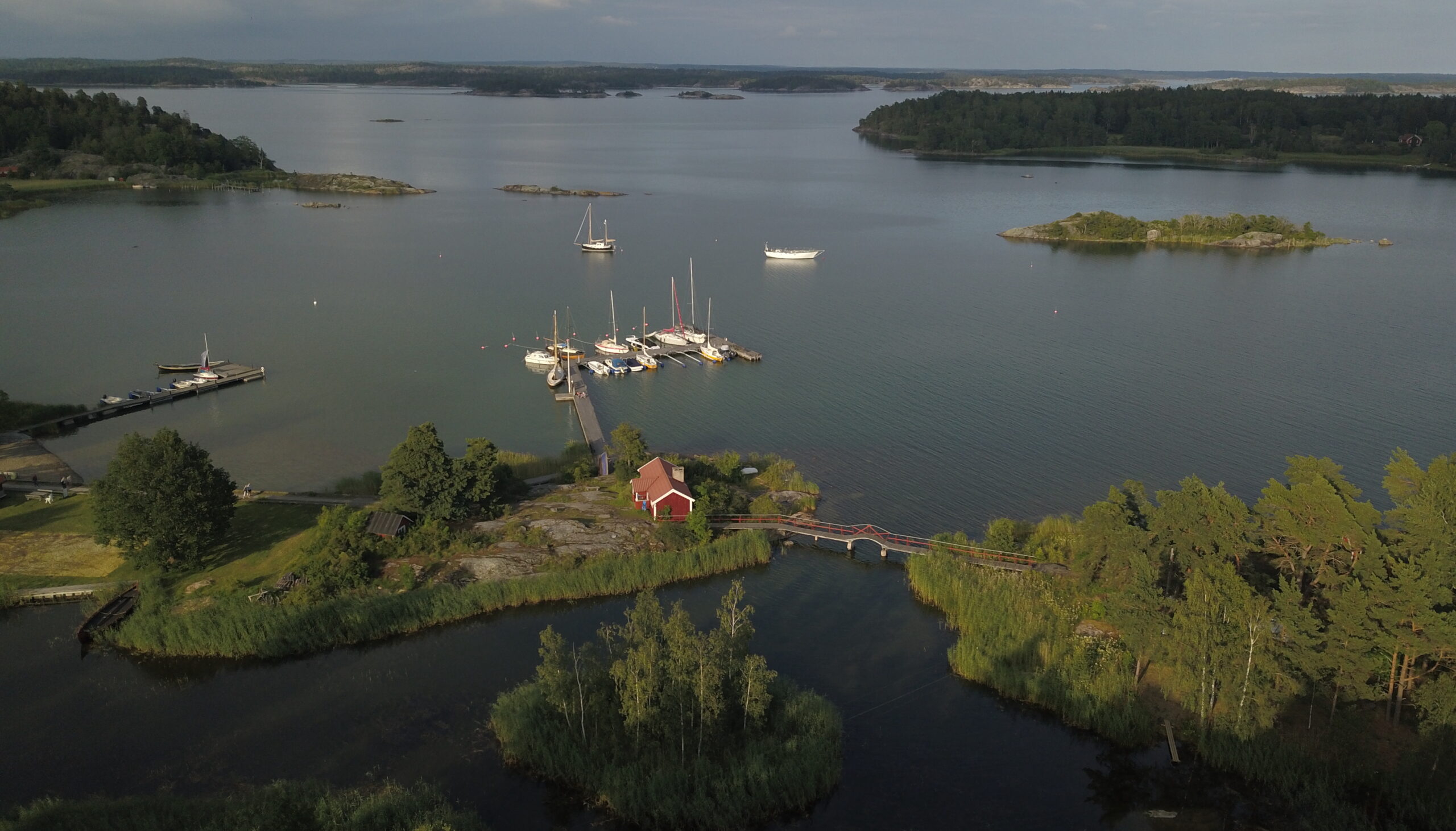
Surprisingly, the harbour was almost empty with only a dozen boats visiting. We were able to dock alongside the floating docks for maximum convenience, instead of bow-first with stern anchor as expected. With our draft of 180 cm (about 5’10”), we only had two suitable mooring options: the rocks left of the entrance, or the first floating dock. However, later during our visit we say a boat with a deeper keel force itself into a spot further in. But more on that later. A fellow boater came over to assist, and the harbour even had stairs to set alongside the boat for easy access.
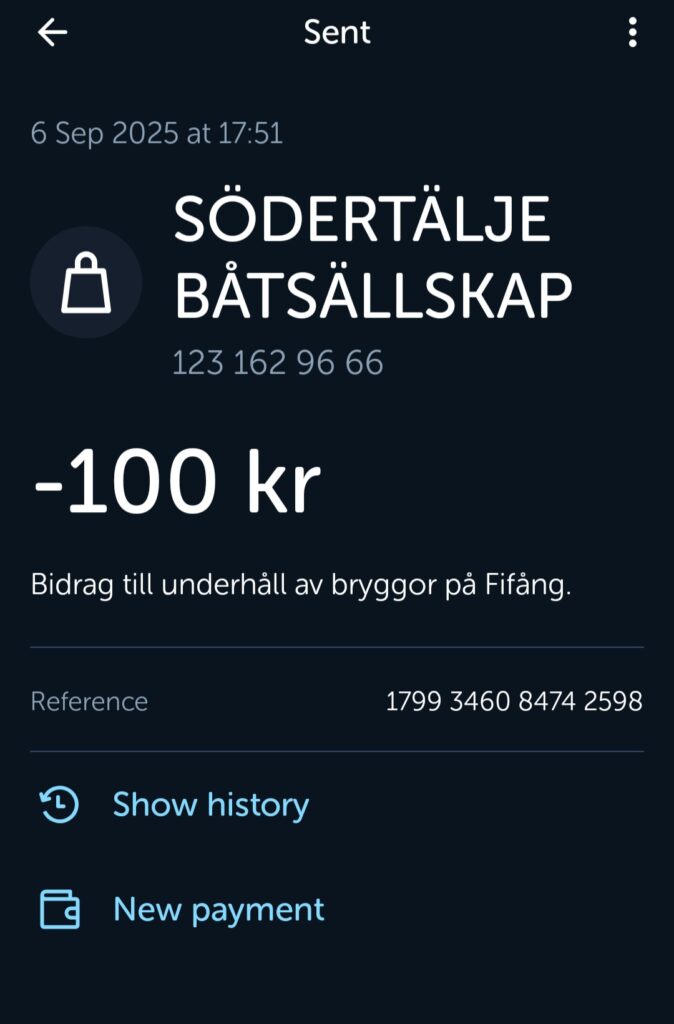
The harbour is run by Södertälje Båtsällskap, and there is a voluntary mooring fee. We paid 100 SEK (about 11 USD) to support future upkeep — pay either by cash into a metal box or by the common Swedish mobile payment method Swish.
Exploring the Island
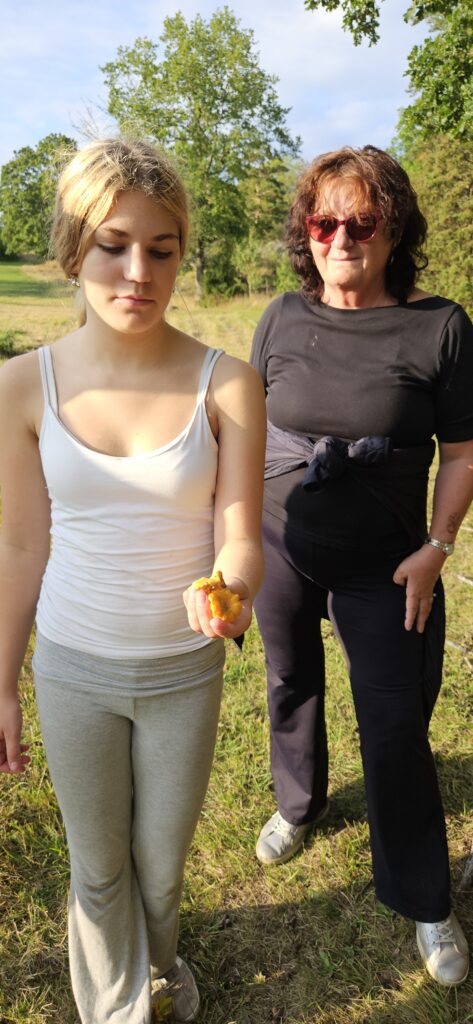
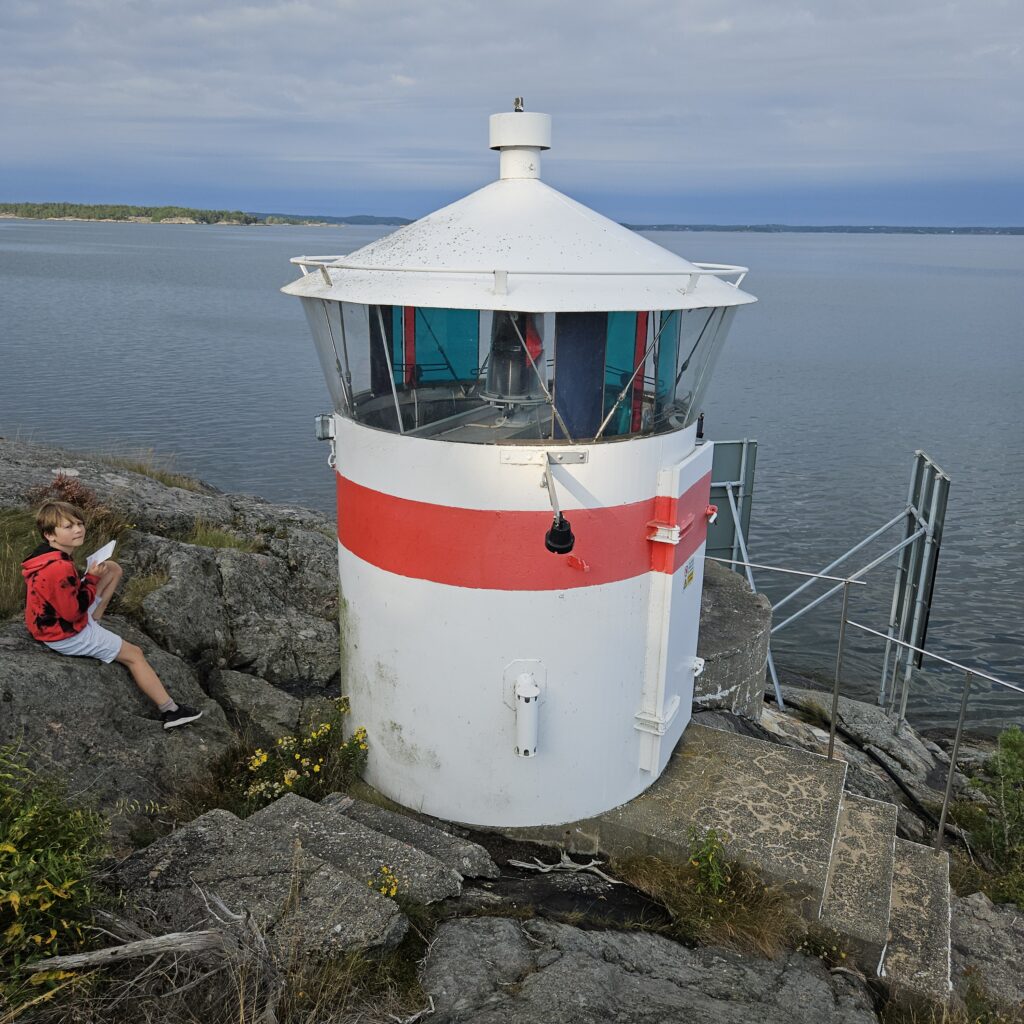
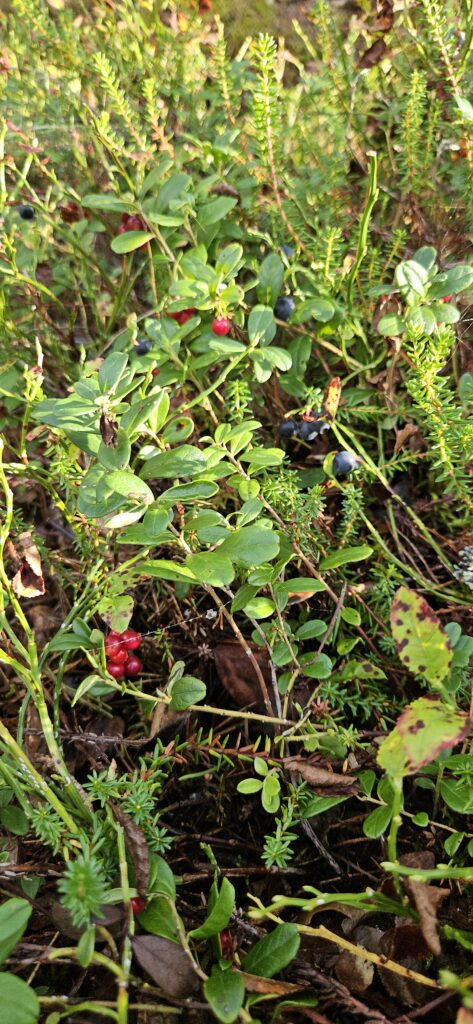
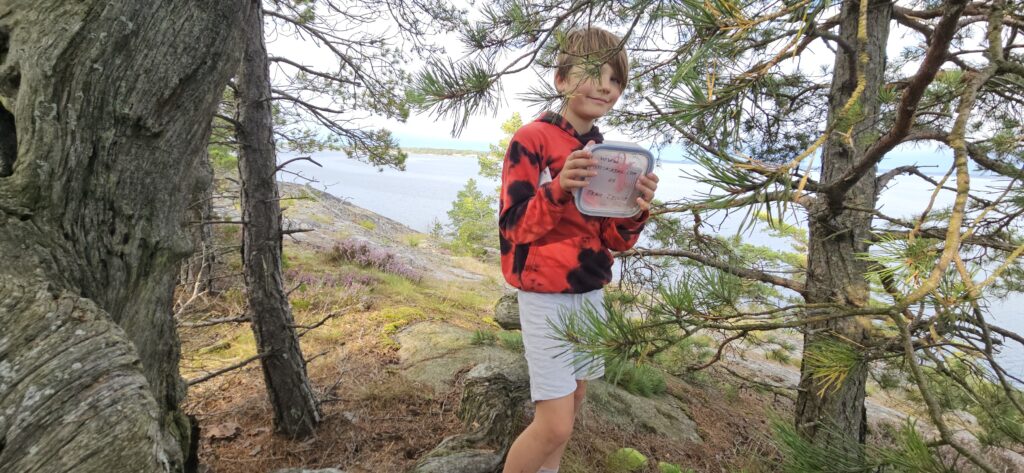
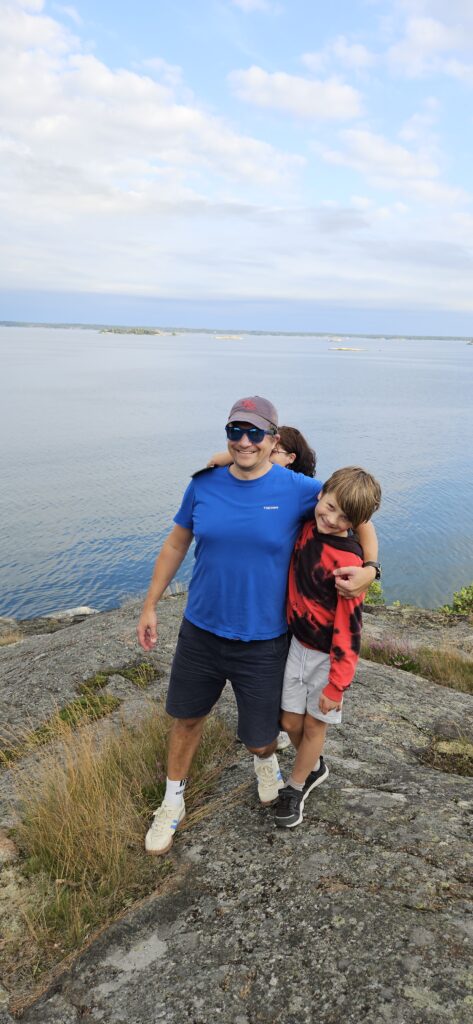
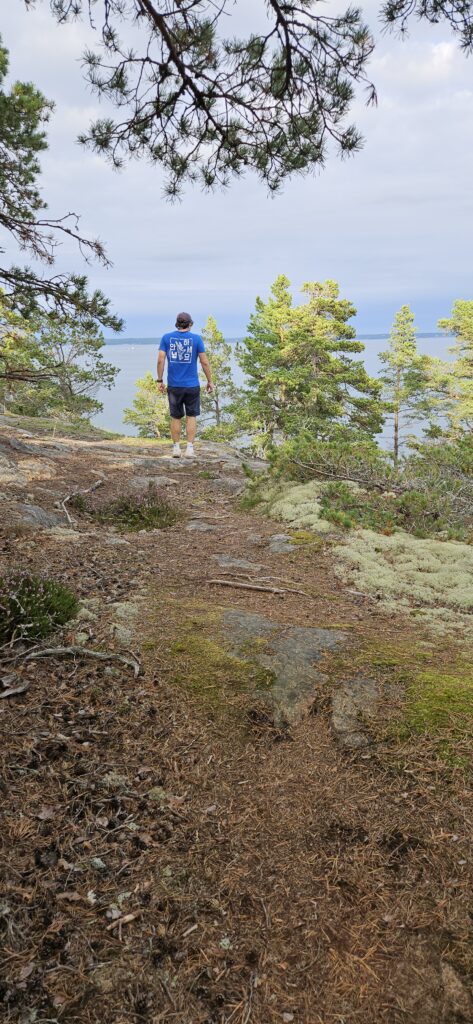
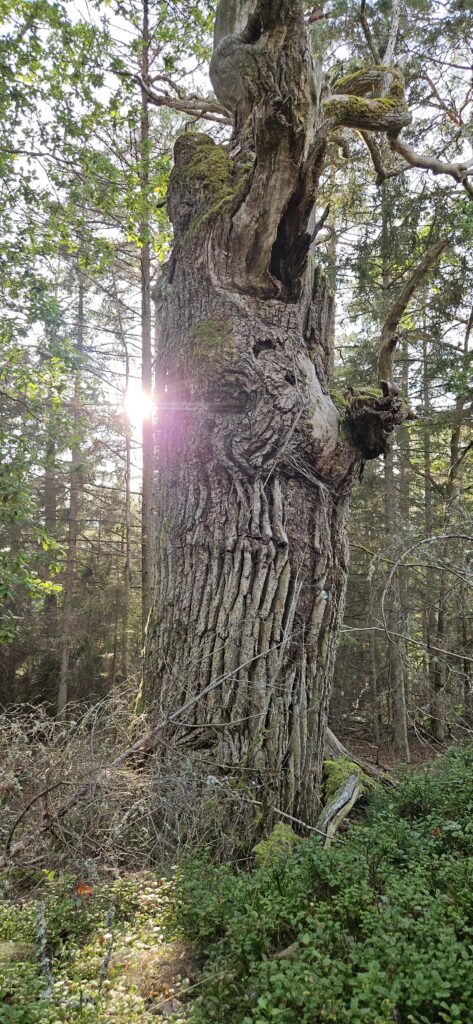
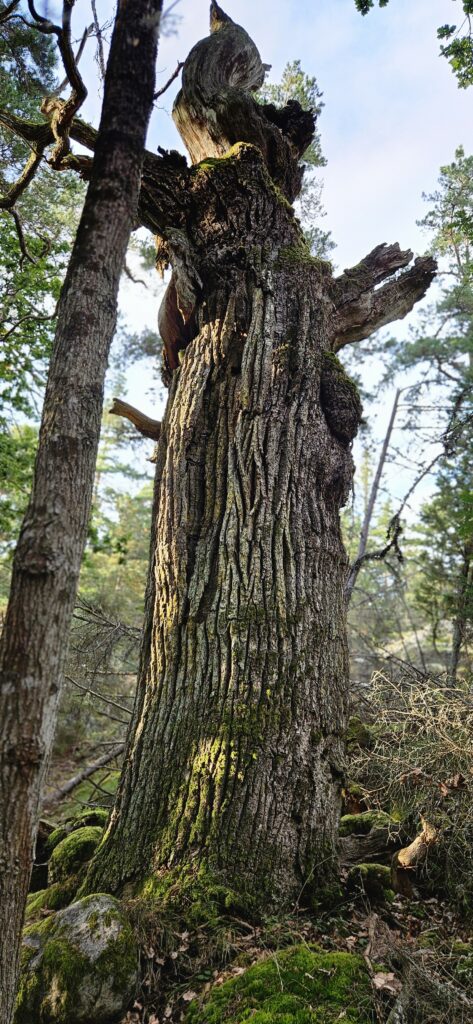
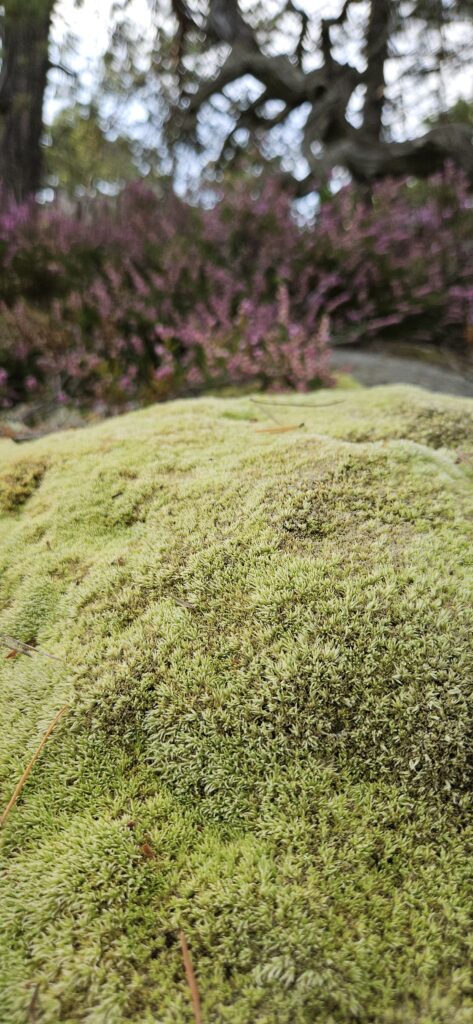
There is plenty of open space for picnicking, play areas for kids (including a trampoline), walking trails, and even a few geocaches. We walked to the lighthouse and were blown away by the beauty of the island: lingonberries, blueberries, and chanterelles everywhere.
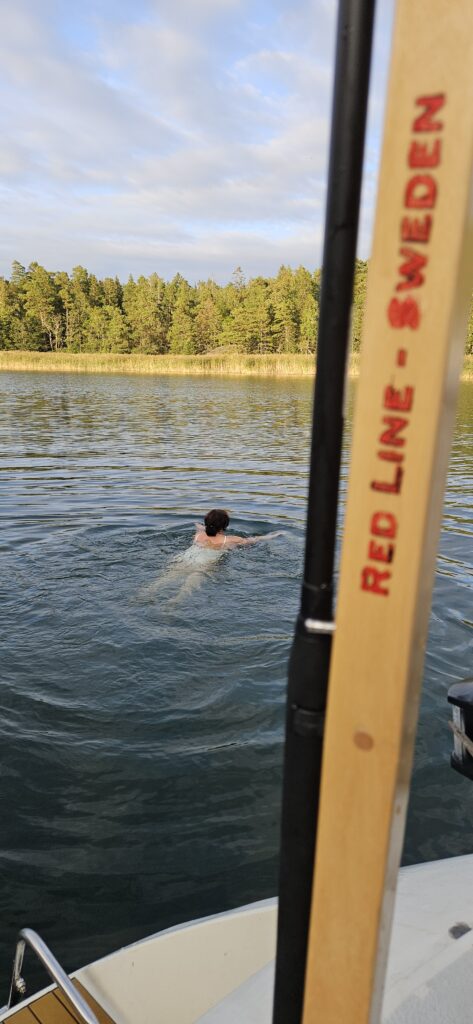
Somewhat sweaty from the walk, we decided to take a swim. The water was a cooling 17°C, just right to freshen up. I cleaned the depth and speed sensor of barnacles and dove from the floating dock a few times. Cold, but fun. I wasn’t sure if it is allowed to fly the drone over this Nature Reserve so I didn’t fly the drone over Fifång.
One highlight of this part of Fifång is the small nearby islands reachable by dinghy. That alone could easily keep a visiting crew busy for a couple of days of adventures.
The Last Summer Day at Askö
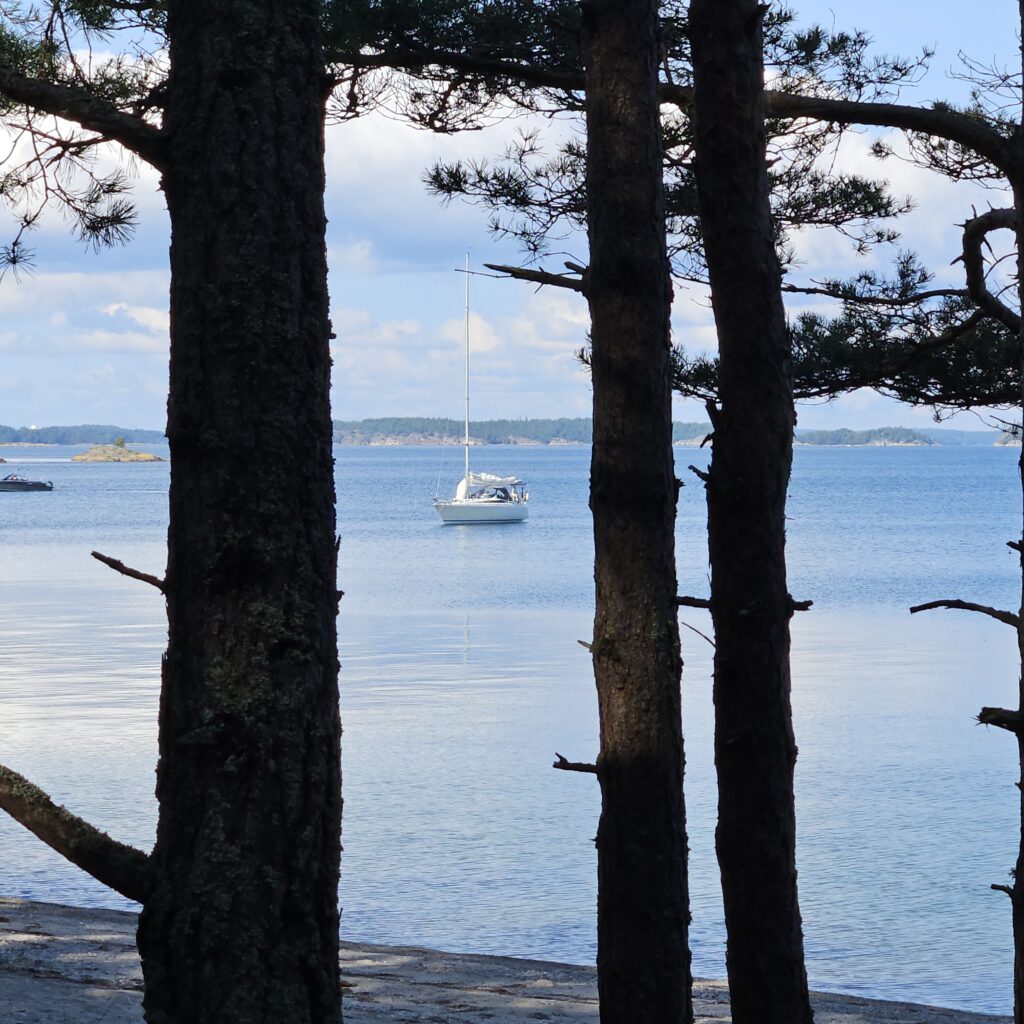
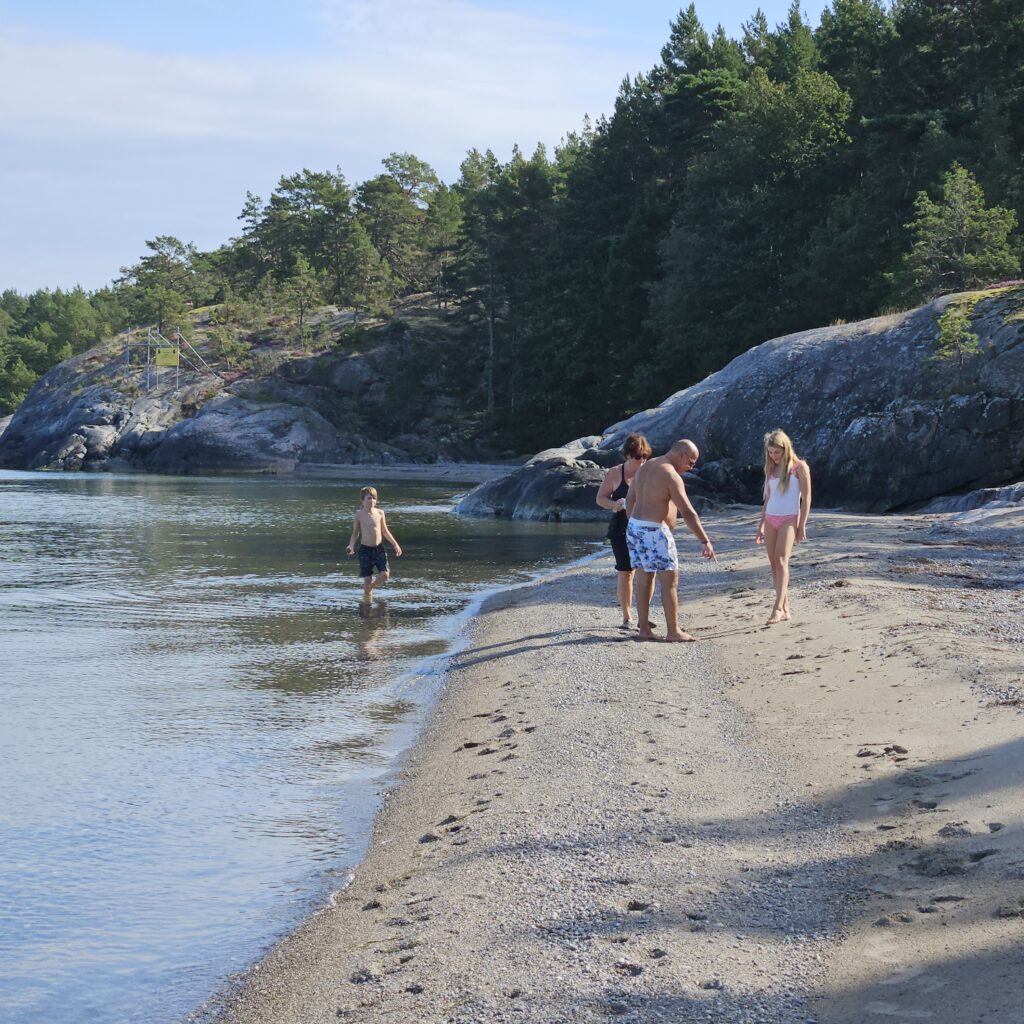
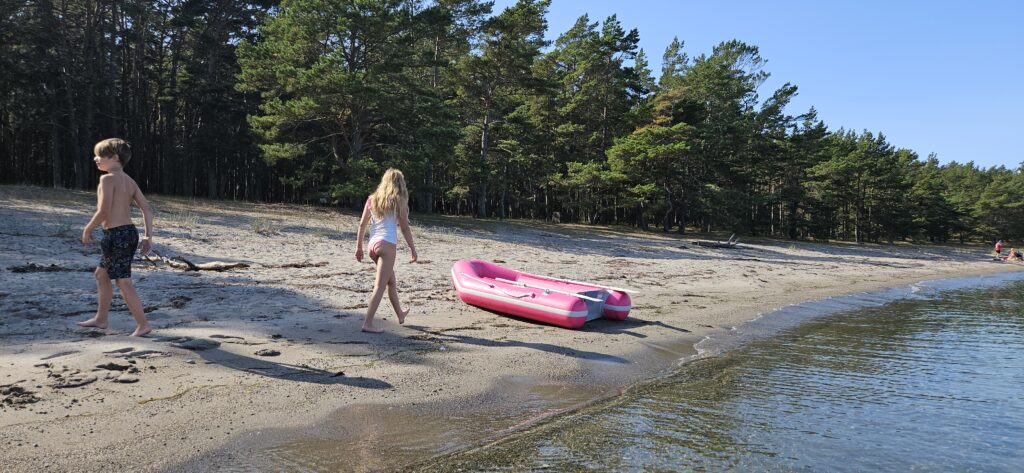
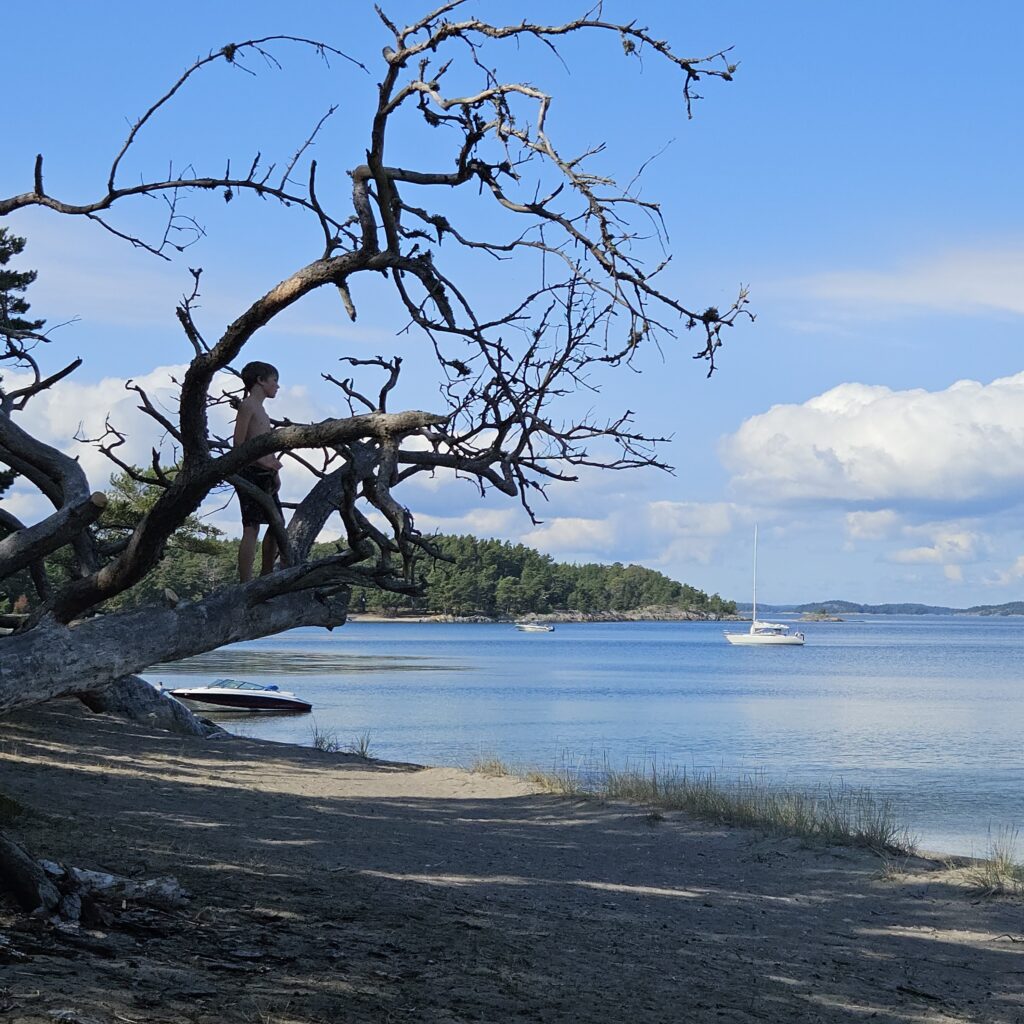
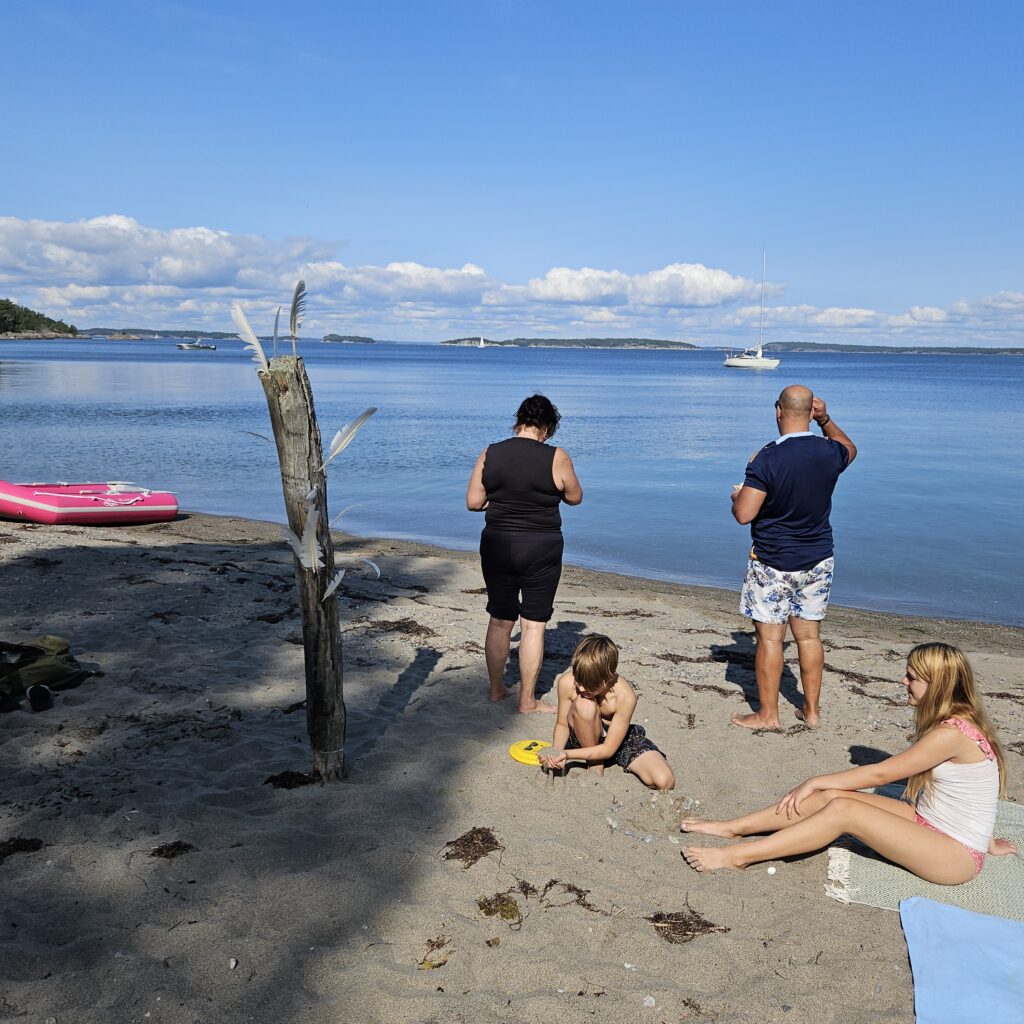
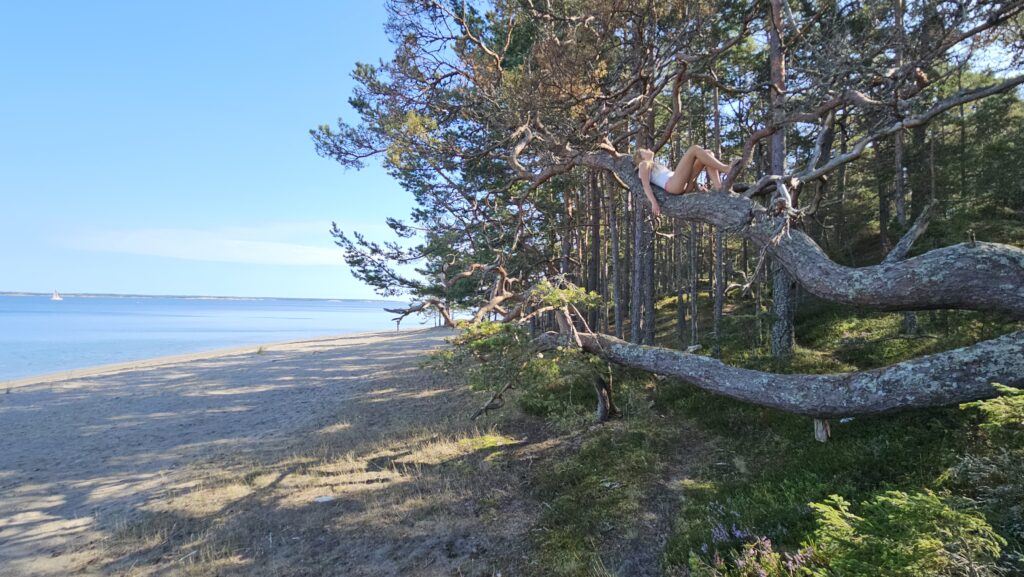
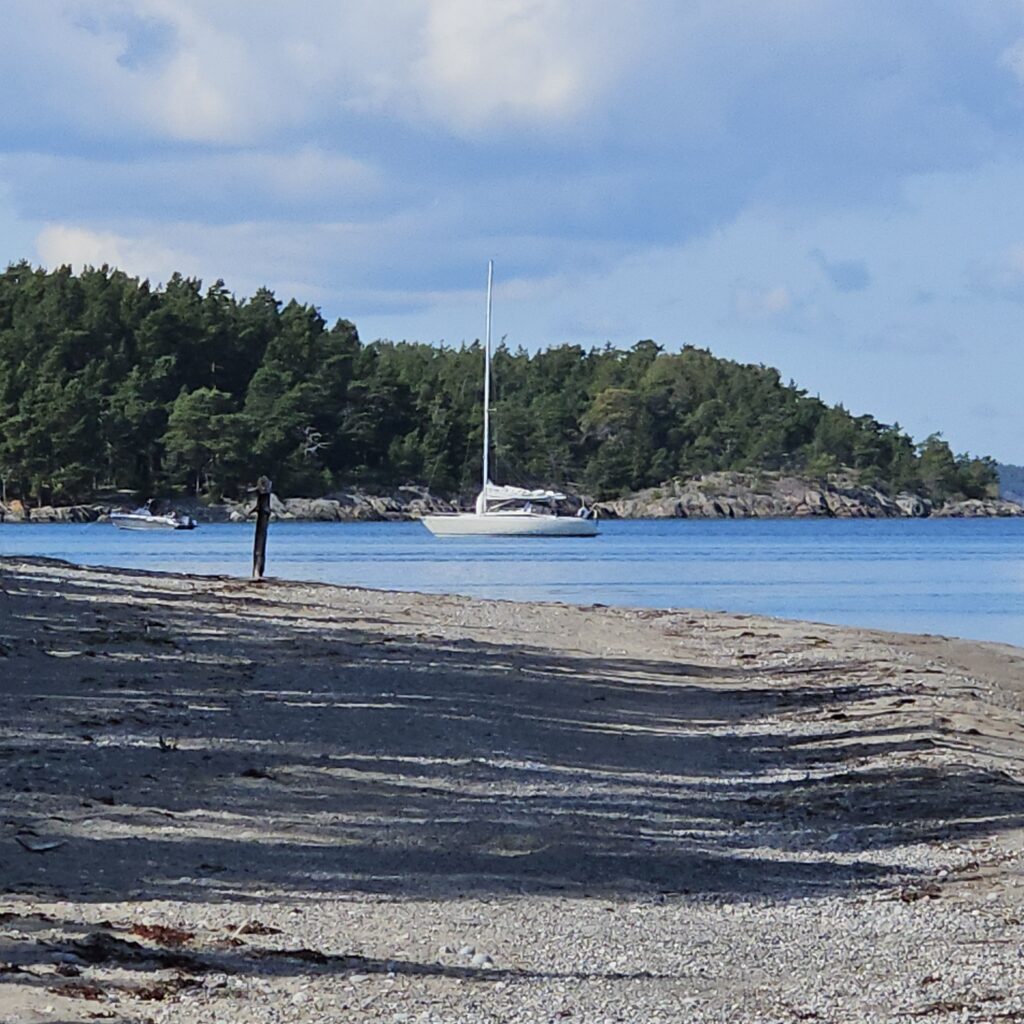
We left the next morning after breakfast for the nearby island Askö. We had visited the island before, but anchored in a different bay. We dropped anchor by the sandy beach and rowed ashore. It felt pleasantly warm in the air. Note there are restricted areas around the island of Askö, consult your charts for further information.
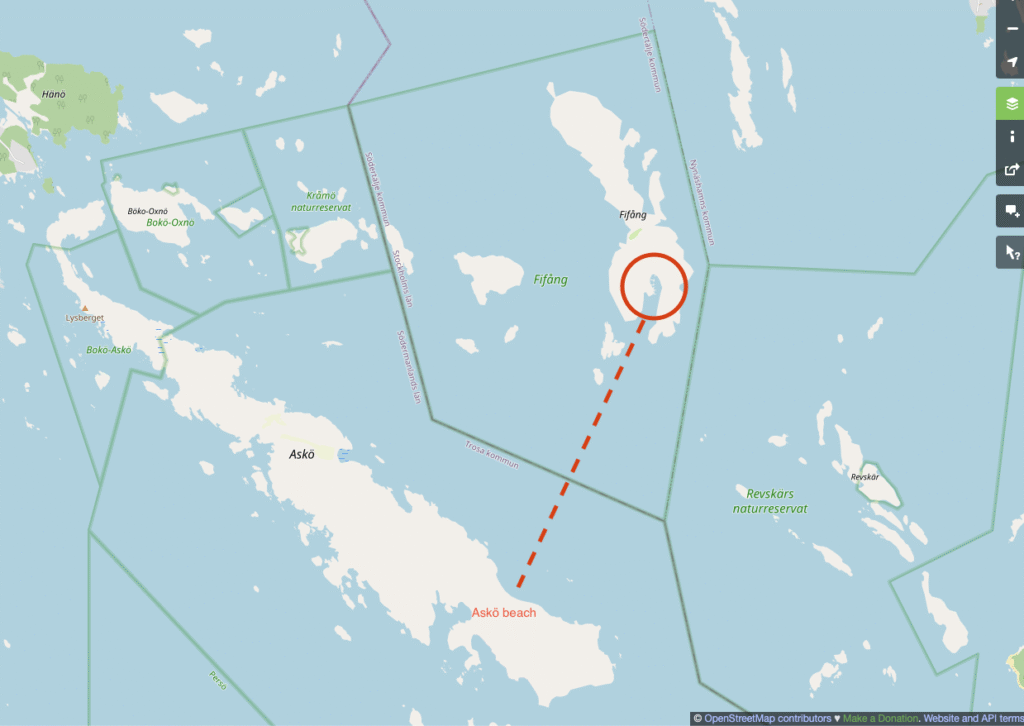
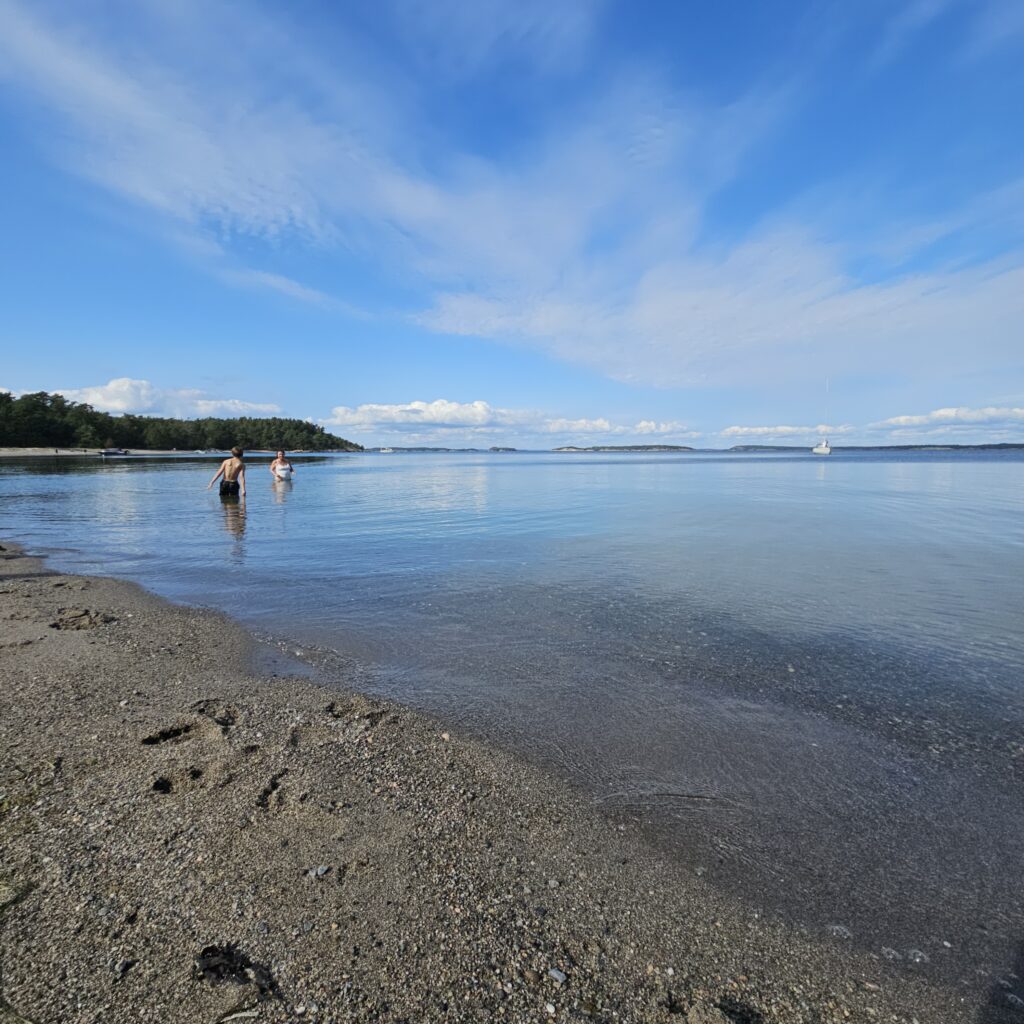
We spent hours sunbathing, exploring, and throwing a Frisbee on the beach. A few times we had to wade waist-deep to retrieve the frisbee, but with the water still reasonably warm, no one minded knowing this will be one of the last summer days of 2025.
Sailing Home
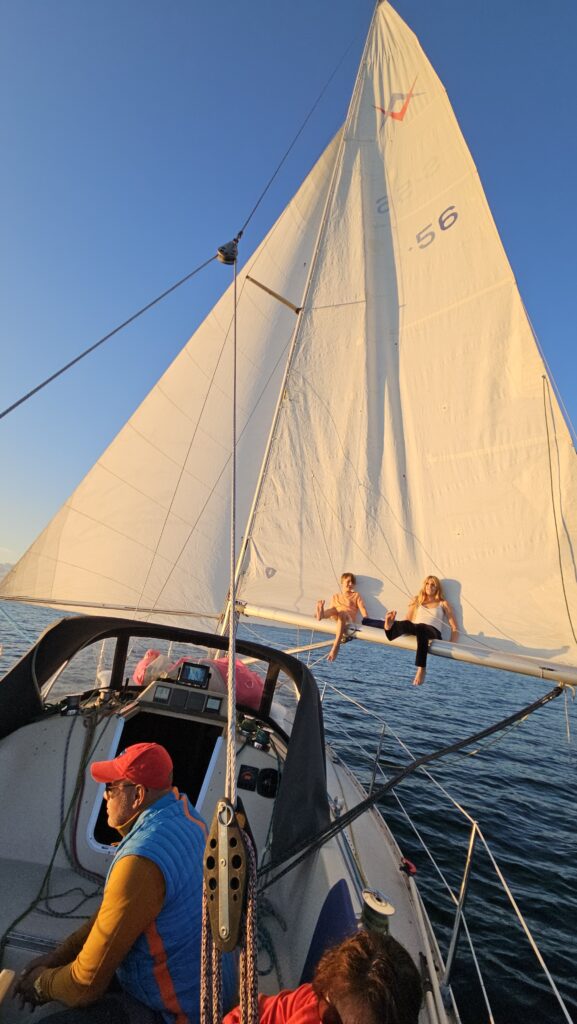
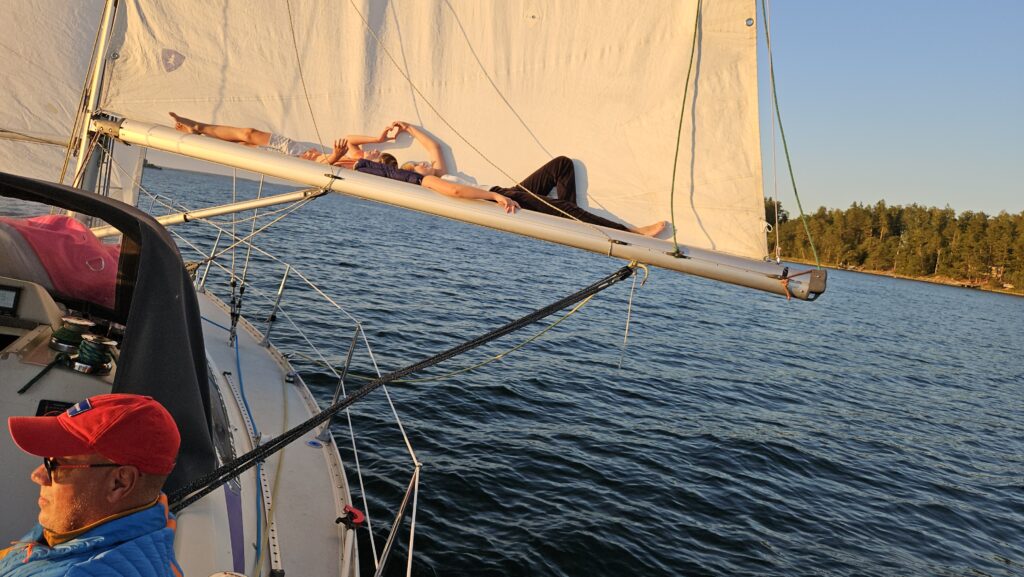
Around 3 p.m., we rowed back to Red Line, had lunch, and hoisted the sails. Conveniently, the wind had shifted 180 degrees since Saturday, so once again we sailed wing-on-wing, dead downwind in 2–3 knots. I flew the drone for a while, the kids stretched out in the sail hammock, and my mum and Simo soaked up the afternoon sun.
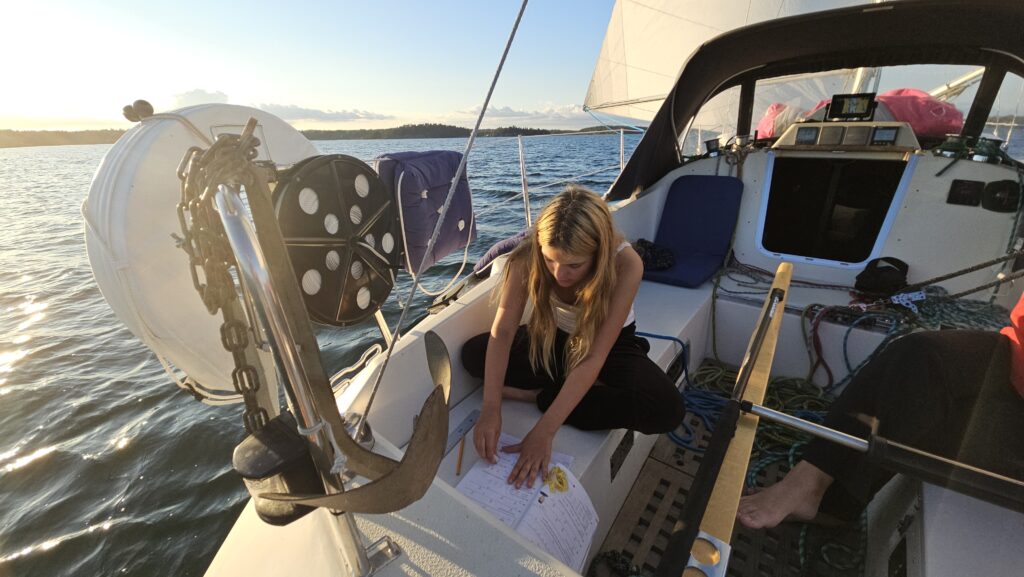
If you’d like to try a sail hammock on your own boat, make sure to slack the sail as much as possible and secure the boom with a preventer. But do this in low speeds, we were doing top 2 knots here. Felicia even managed to do her math homework in the cockpit – probably the best classroom you can imagine.
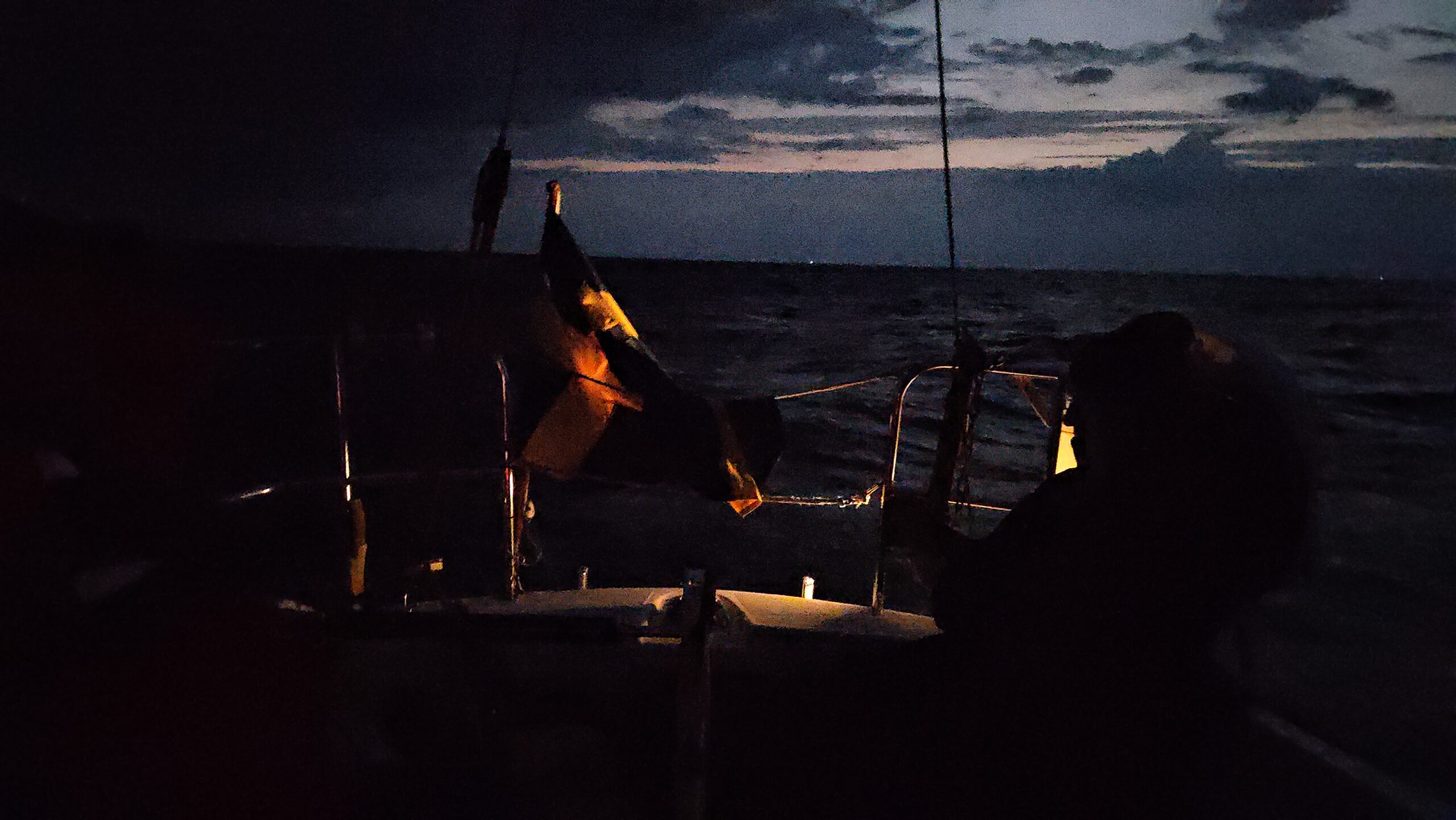
The autopilot and the gentle wind carried us all the way. Only around 7 p.m., just outside the boat club, did we finally start the engine and motor into our dock.
A beautiful, relaxing weekend had ended in the best possible way.

One Comment
Pingback: