Southampton Boatshow before cruising – 2025
I have been to the Stockholm Boat Show at a couple of occasions, but this year I decided to step it up and visit the Southampton Boat Show, the largest of its kind in the UK and considered one of the top shows in the world. Comparing the Stockholm Boat Show (Allt för sjön) with Southampton is a bit like comparing the booze cruises of the Baltic with a Royal Caribbean cruise: both are fun, but they play in very different leagues.
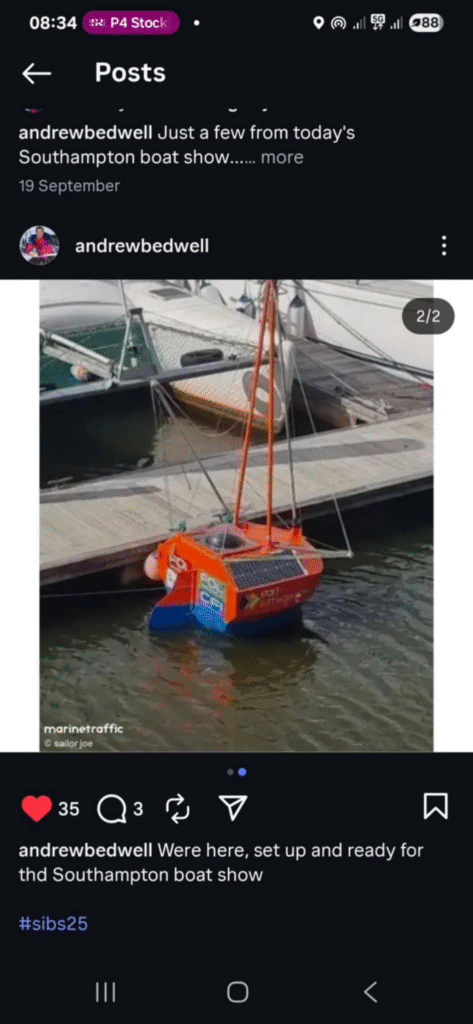
By pure coincidence the show took place the very same week we were booked on a Royal Caribbean cruise. Finding out about the show was actually a coincidence in itself. Andrew and his project Big C posted about attending the event on Instagram, and I was lucky enough to catch the post in time, and later meet Andrew in person too.

First Impressions
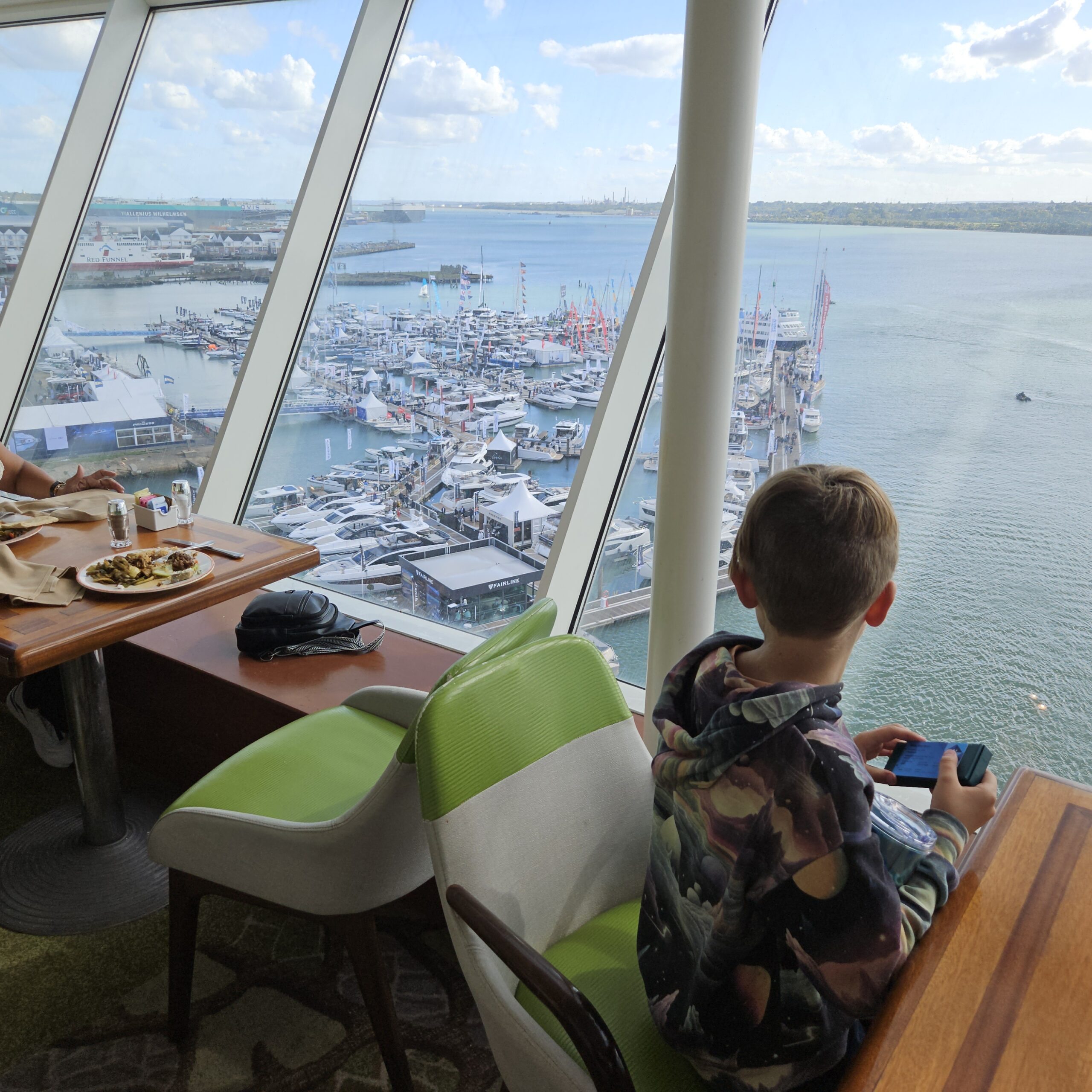
I caught the earliest National Express bus from London Victoria to enjoy a few hours at the show before the 5 p.m. departure from Southampton aboard the impressive Independence of the Seas. The rest of the family planned to take a later bus from London. Arriving just in time for the 10 a.m. opening, I stood in line, filled with excitement and ready to get my boat fix – and aircraft fix it turned out.

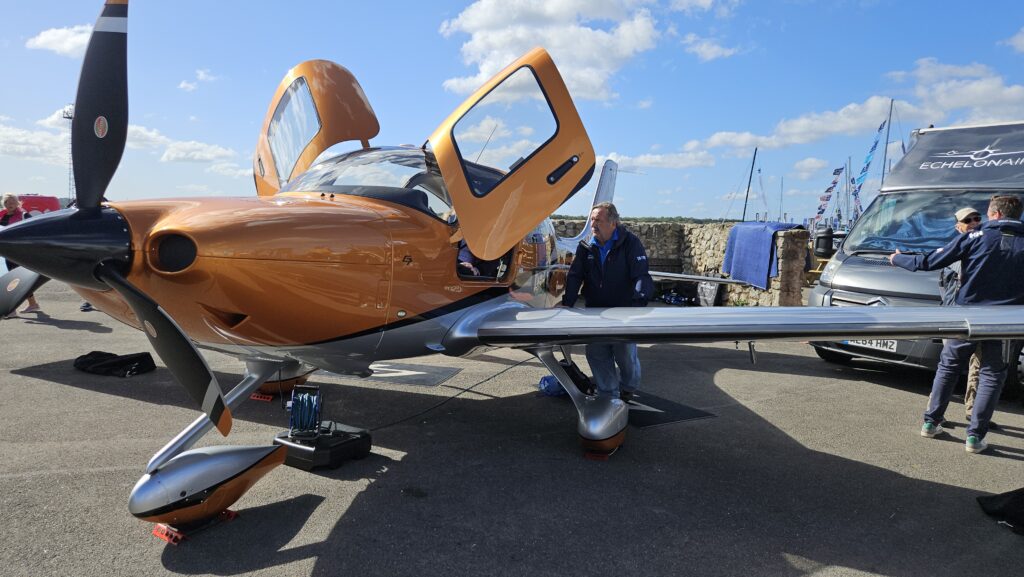
Once inside, I quickly realised there was no way to take in everything the show had on offer. Instead, I focused on what interested me the most: sailboats in the 35–42 foot range. Cirrus Aircraft also had an aircraft on display, which naturally caught my attention as well.
The show did not disappoint. Bavaria, Beneteau, Hallberg Rassy, Dehler, Hanse and many others all got a visit from me.
Details That Matter
On the cheaper boats, some basic things were missing. For example, handrails inside were nowhere to be found, while the salespeople were quick to point out the granite countertops in the galley. Moments later they were praising the lightweight honeycomb cabinetry with a wood veneer. It does not quite add up, but having worked in product development in different settings for much of my life, I understand the logic: highlight the shiny things that sell, cut costs where buyers are less likely to look and give a good story about why cheaper options are chosen.
I also noticed that the floorboards flexed far too much on some the cheaper boats, and engine access was inadequate. Flexing boards would be totally okay on a fast racing boat to save weight, but these were pure cruisers. On one of these ultra cheap cruisers, replacing the saildrive would actually require cutting open the hull to save a few inches of space. Unbelievable, but the salesperson explained that this is rarely an issue for the first owner. Fair point, I suppose.
The same story played out on deck. The more expensive boats had sturdier equipment, while the cheaper models made compromises here too. Still, for a buyer who plans to cruise the coast for a few weeks each summer, these boats will perform more than well enough, it’s important to make a difference between what I want to do (sail around the world) or just cruise a couple of weeks per year. In addition – there are plenty of cheap(er) boats that are cruising the world too. Just expect that the maintenance curve will climb faster on the entry-level options if you are a hardcore sailor. Anyway, I can’t prioritise to afford a new boat so I focused on the clever solutions that I can introduce on my boat too. Let’s have a look!
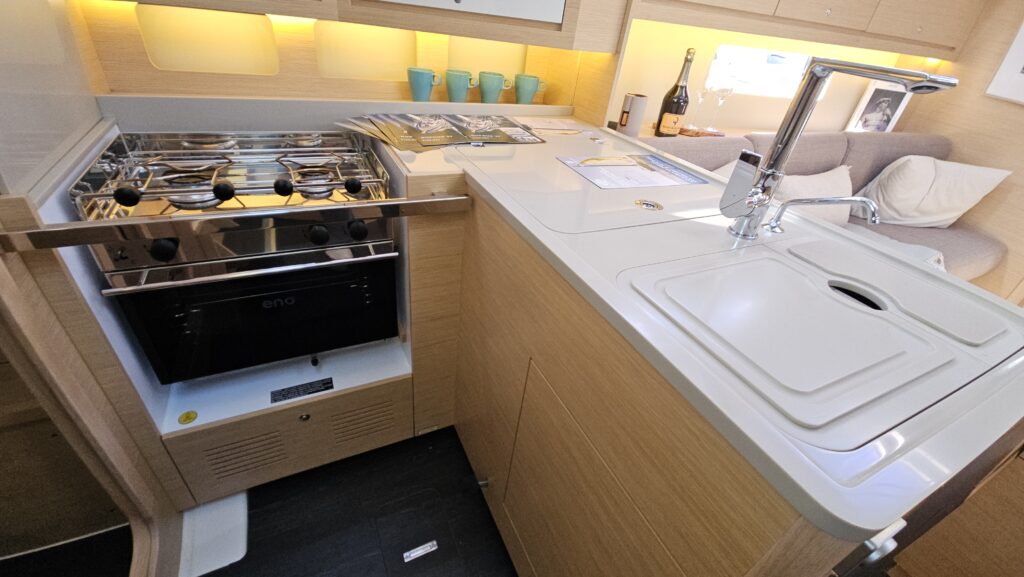
Onboard this beautiful Dufour 37, I noticed how the area behind the hobs was utilised in a really tasteful manner, by introducing a panel that can contain smaller stuff and also act as a nice source of light. This is something that could be introduced onboard my Maxi Mixer too for sure.
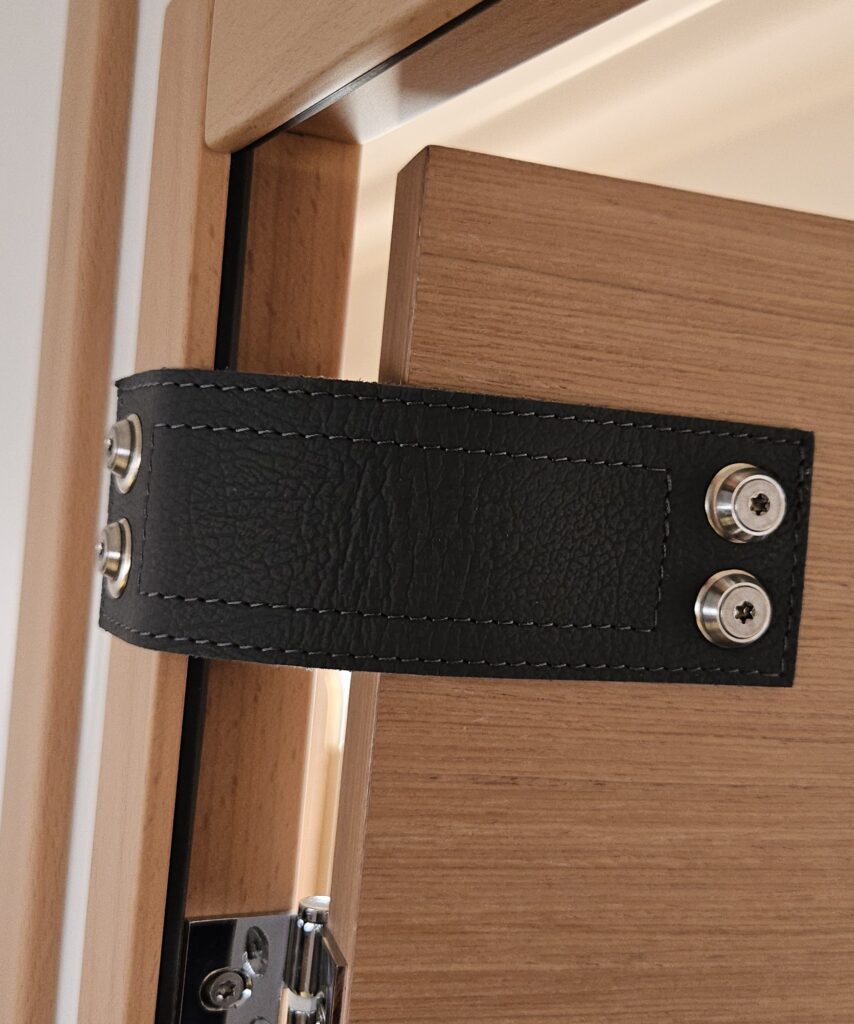
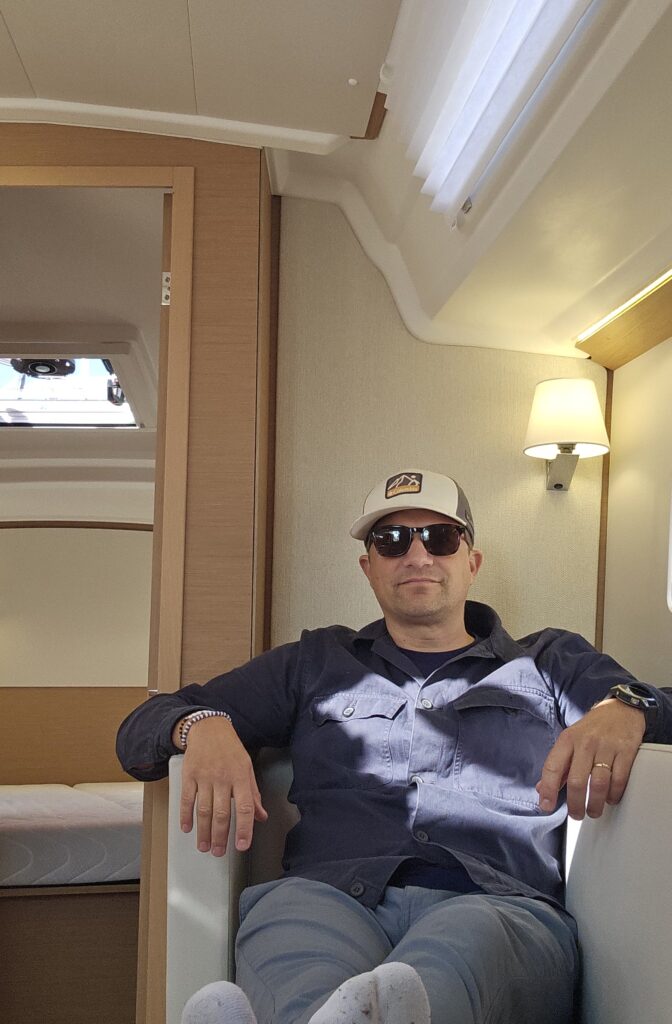
Jeanneau used simple faux leather straps to limit door movement — a clever, lightweight solution that should work perfectly on my boat too. I also liked how they turned an ordinary sofa into a chaise longue that works even in rough weather. I could easily spend a few hours here with a book in my lap.
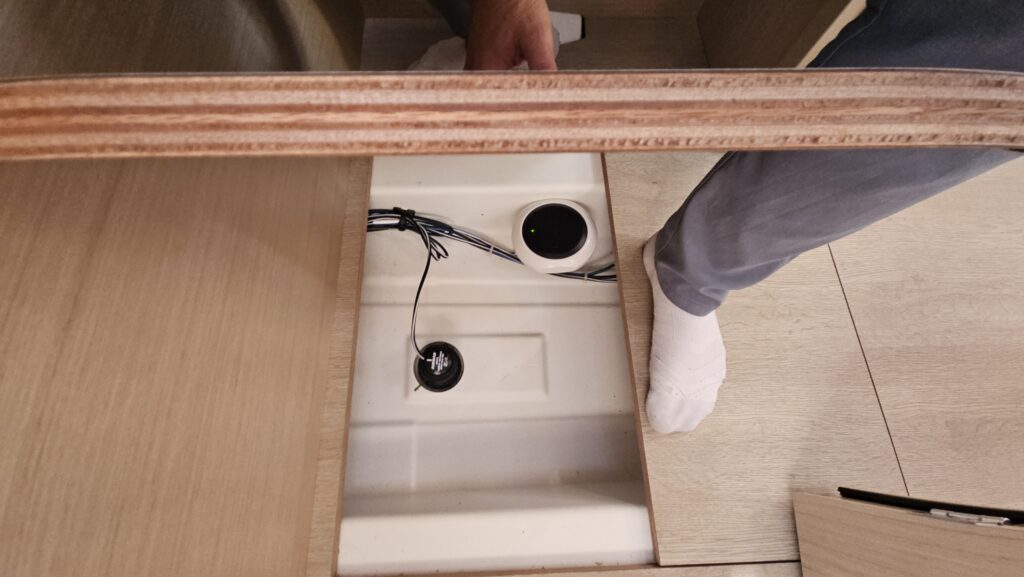
I was curious where the big boat manufacturers placed their remote compass sensors. I have had a lot of issues with magnetic interference so I will have to move the sensor somewhere else. The cost of the Raymarine Seatalk NG cables are prohibitively expensive, so I installed the sensor midship in the head where I though it would be protected from interference, I was wrong. After seeing so many manufacturers place their sensors in the fore-area of their boats, I will do the same.
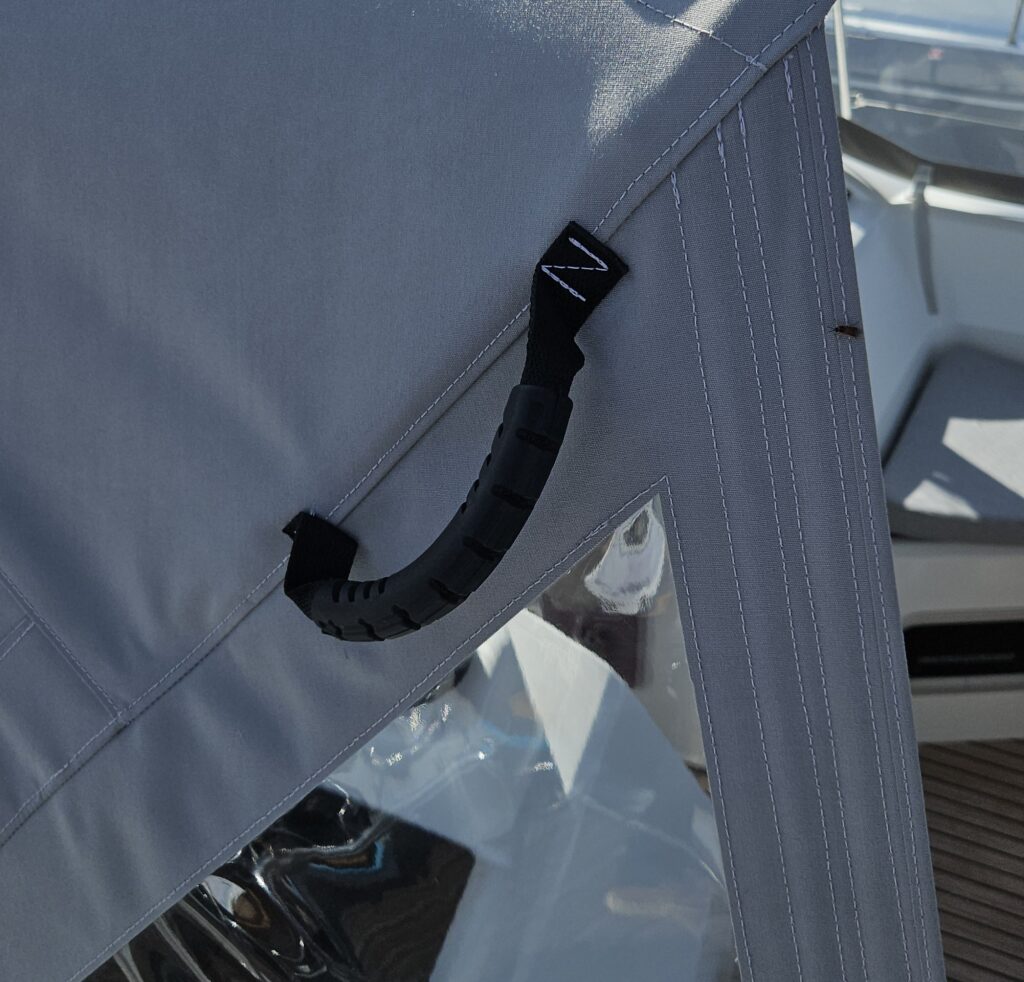
Another neat solution that quite a few manufacturers was using was a handle on the side of the sprayhood. Some were sewn directly to the fabric, whilst other was fastened to the the metal frame. I love practical details like this.
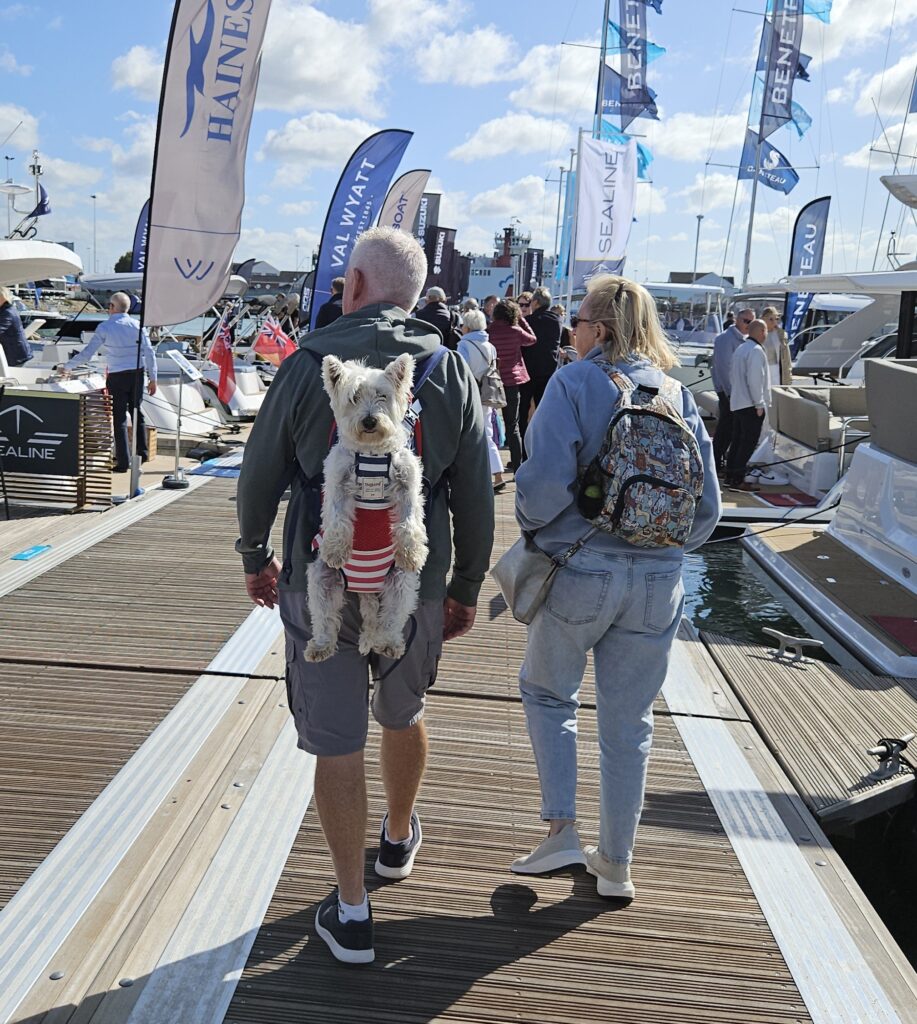
I checked out a whole lot of other stuff at the show but I guess you have already watched all the youtubers running around making films about everything and nothing. So I’m just gonna end this post with a cute dog from the show. Cheerios!

You May Also Like

A Red Line Afternoon
Stensund Guest Harbour in Stockholm Archipelago.